
Treatments
Cardiology treatments That Dr. Manju Bhargav Offer
Coronary Angioplasty (PTCA)
Treatment

Coronary Angioplasty (PTCA)

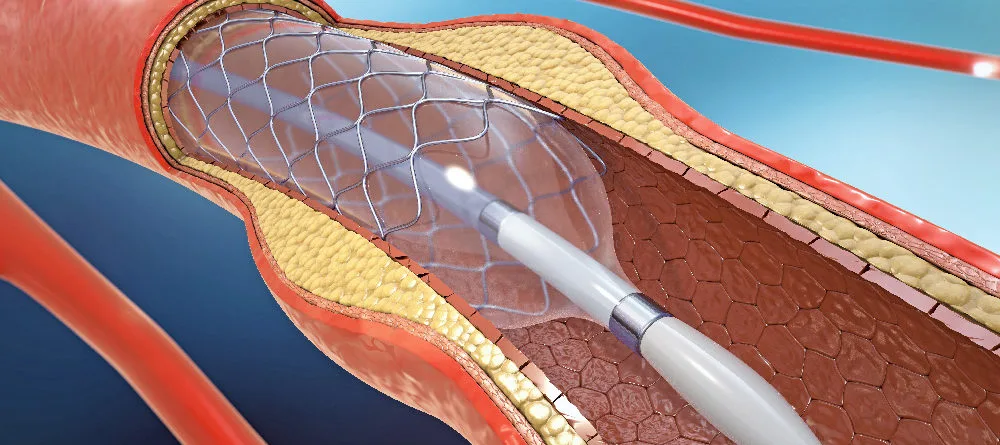
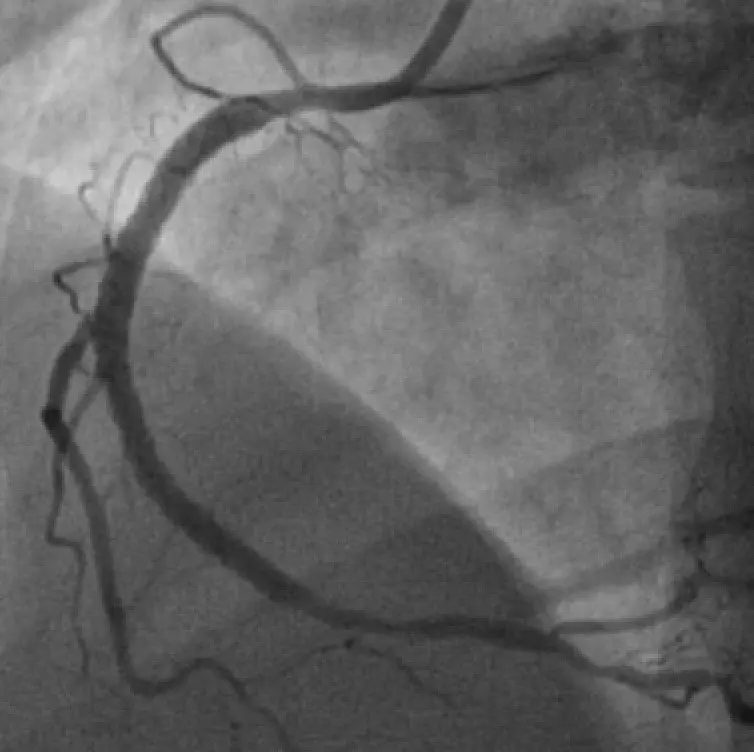
Coronary angioplasty, also known as PTCA (Percutaneous Transluminal Coronary Angioplasty), is a minimally invasive procedure used to open blocked or narrowed heart arteries and restore normal blood flow to the heart muscle. These blockages are usually caused by cholesterol deposits and plaque buildup inside the coronary arteries. Reduced blood flow can lead to chest pain (angina), breathlessness, fatigue, or heart attack. Angioplasty helps improve blood circulation to the heart and relieves symptoms effectively.
Read More
Complex PCI – Left Main / Bifurcation Angioplasty
Treatment

Complex PCI – Left Main / Bifurcation Angioplasty

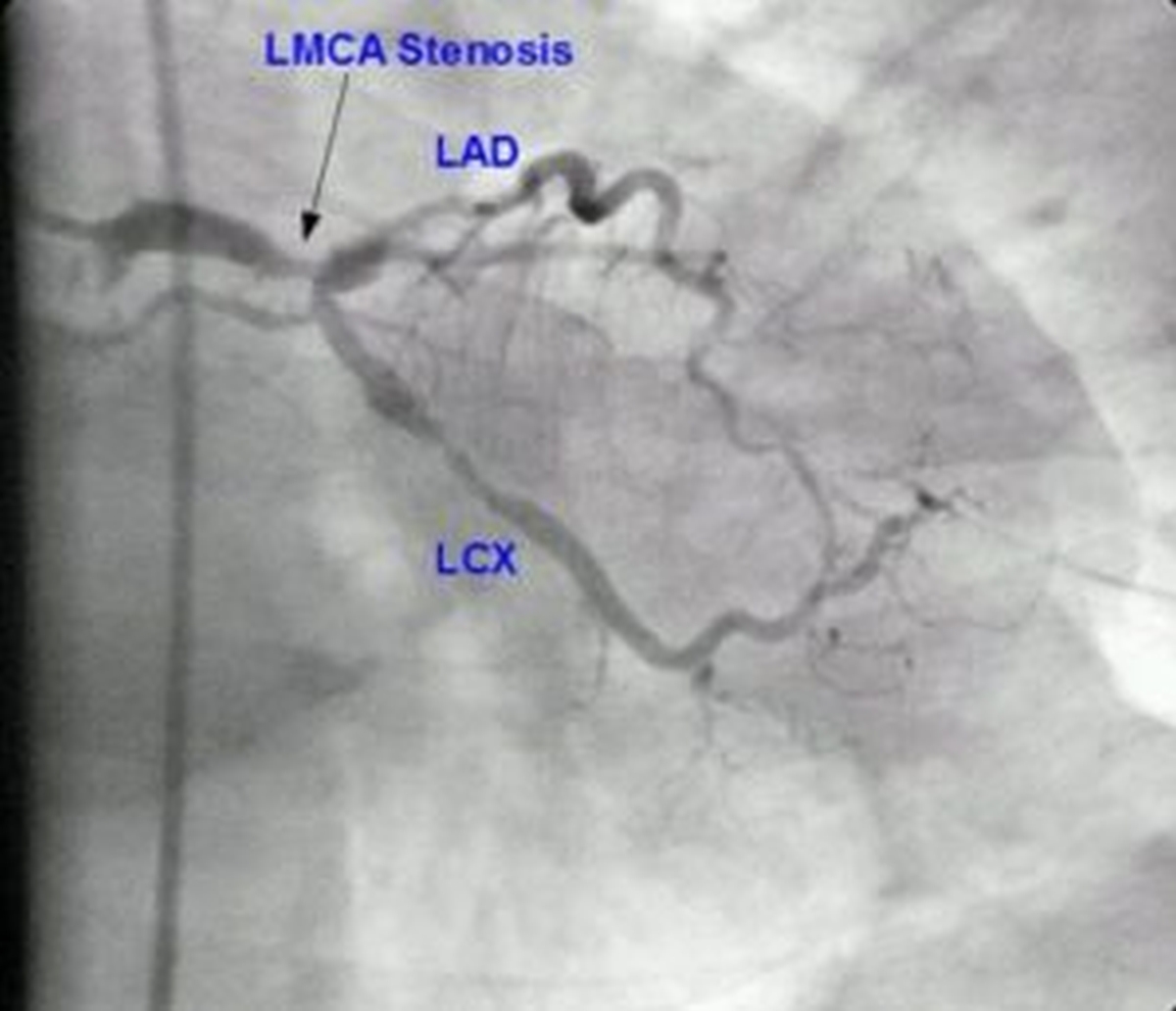
Complex PCI (Percutaneous Coronary Intervention) refers to advanced angioplasty procedures performed for difficult or high-risk heart artery blockages. These include blockages in the left main coronary artery, which supplies blood to a major portion of the heart, or at artery branching points known as bifurcations. Such blockages are more challenging because they involve important blood vessels that supply large areas of the heart muscle. If left untreated, they can increase the risk of severe chest pain, heart attack, heart failure, or sudden cardiac complications.
Read More
 CTO Intervention (Chronic Total Occlusion)
Treatment

CTO Intervention (Chronic Total Occlusion)

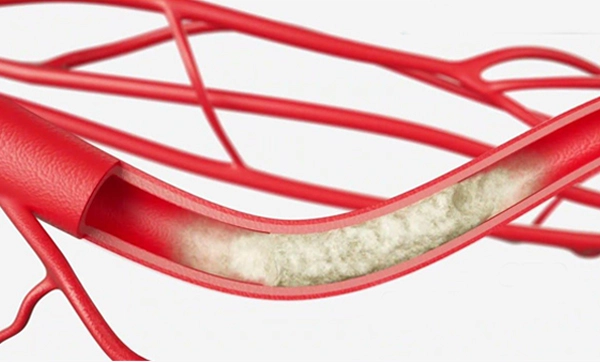
CTO intervention is an advanced angioplasty procedure performed to open a coronary artery that has been completely blocked for a long duration, usually for more than three months. This complete blockage is called a Chronic Total Occlusion (CTO). Over time, the body may develop small alternate blood channels, but they are often insufficient to supply enough blood to the heart muscle. Patients with CTO may experience chest pain, shortness of breath, fatigue, reduced exercise capacity, or persistent symptoms despite medications.
Read More
IVUS / OCT / FFR guided Angioplasty
Treatment

IVUS / OCT / FFR guided Angioplasty

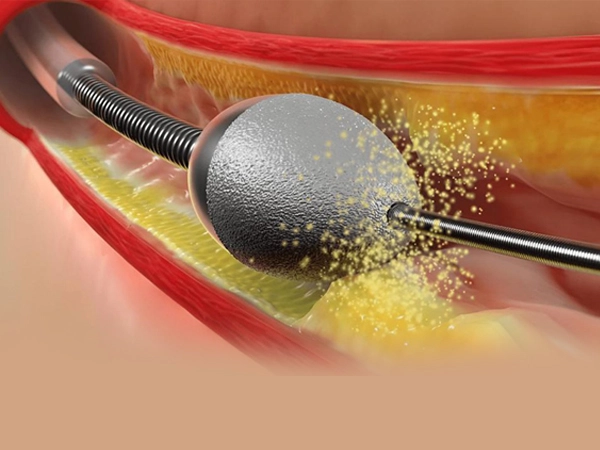
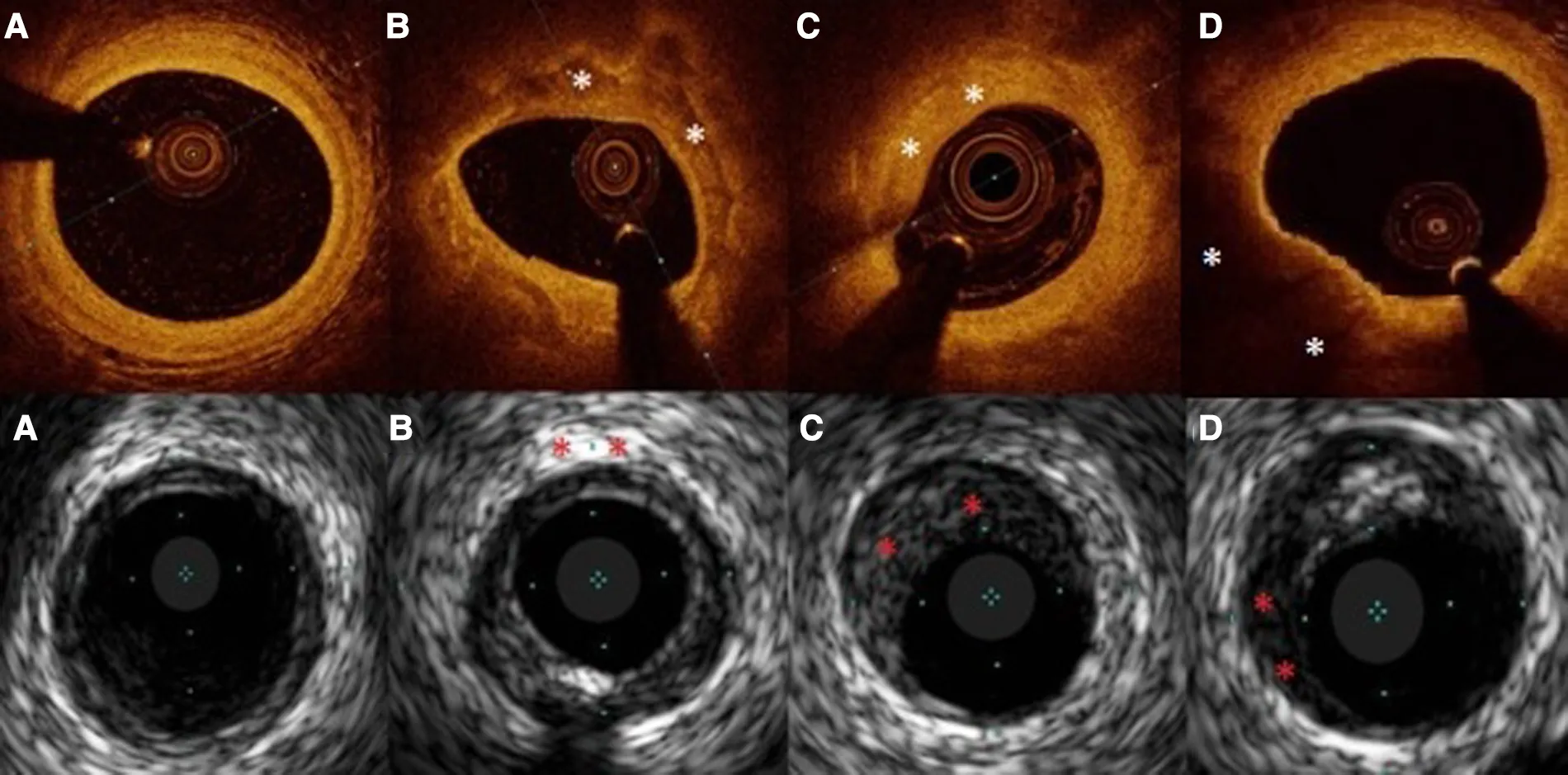
IVUS, OCT, and FFR guided angioplasty are advanced techniques used during coronary angioplasty to improve the accuracy, safety, and long-term success of the procedure. In routine angiography, doctors can see the outline of the blood vessels using X-ray images, but these advanced technologies provide much more detailed information from inside the artery itself. They help the cardiologist understand the exact severity of the blockage, the nature of plaque buildup, and whether the blood flow to the heart is significantly affected.
Read More
 Permanent Pacemaker Implantation
Treatment

Permanent Pacemaker Implantation

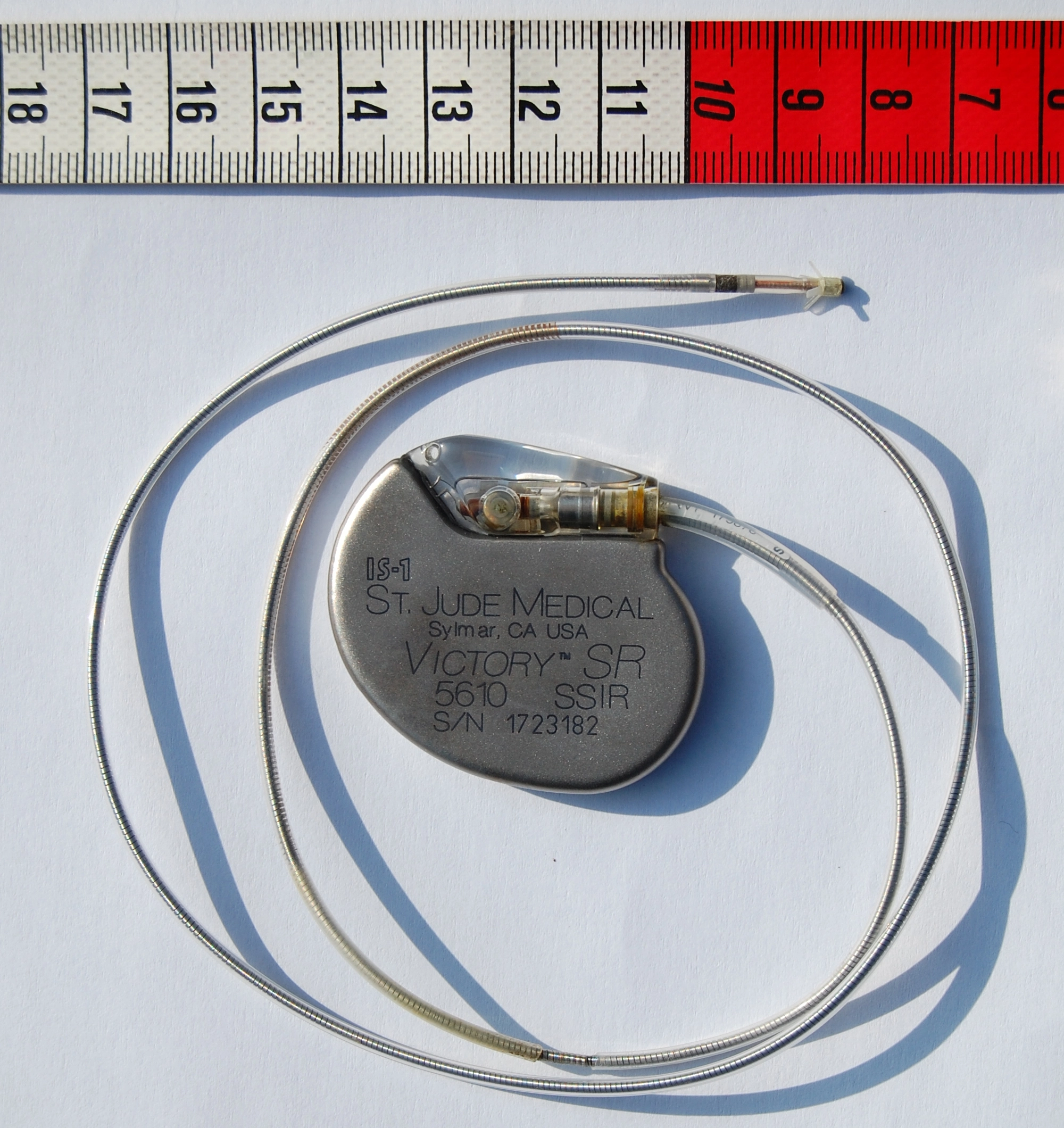
A permanent pacemaker is a small electronic device implanted to treat abnormal slow heart rhythms, a condition known as bradycardia. In some patients, the heart beats too slowly because the heart’s natural electrical system is not functioning properly. This can reduce blood supply to the brain and body, leading to symptoms such as dizziness, fainting, fatigue, weakness, breathlessness, or blackouts. A pacemaker helps maintain a regular and adequate heart rate so that the heart can pump blood effectively. Pacemaker implantation is commonly advised in patients with conditions such as complete heart block, sick sinus syndrome, symptomatic slow heart rate, or certain rhythm disturbances after heart attack or heart surgery. The need for a pacemaker is usually identified through ECG, Holter monitoring, or other heart rhythm tests. In many patients, timely pacemaker implantation can significantly improve quality of life and prevent dangerous complications related to very slow heartbeats.
Read More
Temporary Pacemaker Implantation
Treatment

Temporary Pacemaker Implantation

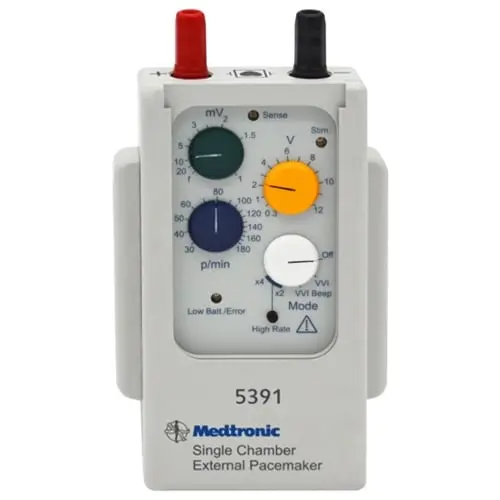
A temporary pacemaker is a short-term device used to support the heart when the heartbeat becomes dangerously slow or unstable. In certain emergency situations, the heart may not beat fast enough to maintain proper blood circulation to the brain and other vital organs. This can cause symptoms such as severe dizziness, fainting, low blood pressure, breathlessness, extreme weakness, or loss of consciousness. A temporary pacemaker helps stabilize the heart rate until the underlying problem improves or a permanent pacemaker can be implanted if needed.
Read More
Implantable Cardioverter Defibrillator
Treatment

Implantable Cardioverter Defibrillator

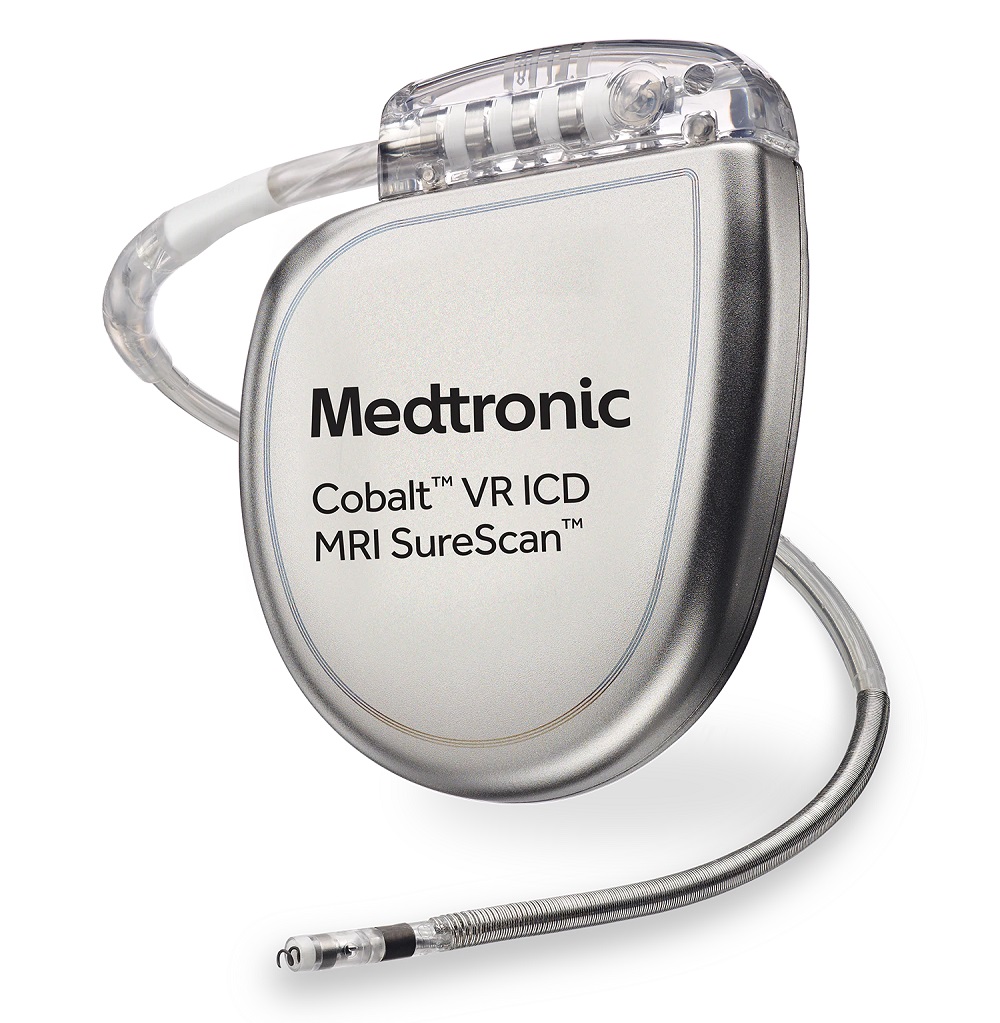
An Implantable Cardioverter Defibrillator (ICD) is a specialized device used to prevent sudden cardiac death caused by dangerous abnormal heart rhythms. In some patients, the heart may suddenly develop very fast and life-threatening rhythms such as ventricular tachycardia or ventricular fibrillation, which can stop the heart from pumping blood effectively. This may lead to sudden collapse, unconsciousness, or cardiac arrest. An ICD continuously monitors the heart rhythm and provides immediate treatment if such dangerous rhythms occur.
Read More
CRT Device Implantation ( Cardiac Resynchronization Therapy)
Treatment

CRT Device Implantation ( Cardiac Resynchronization Therapy)

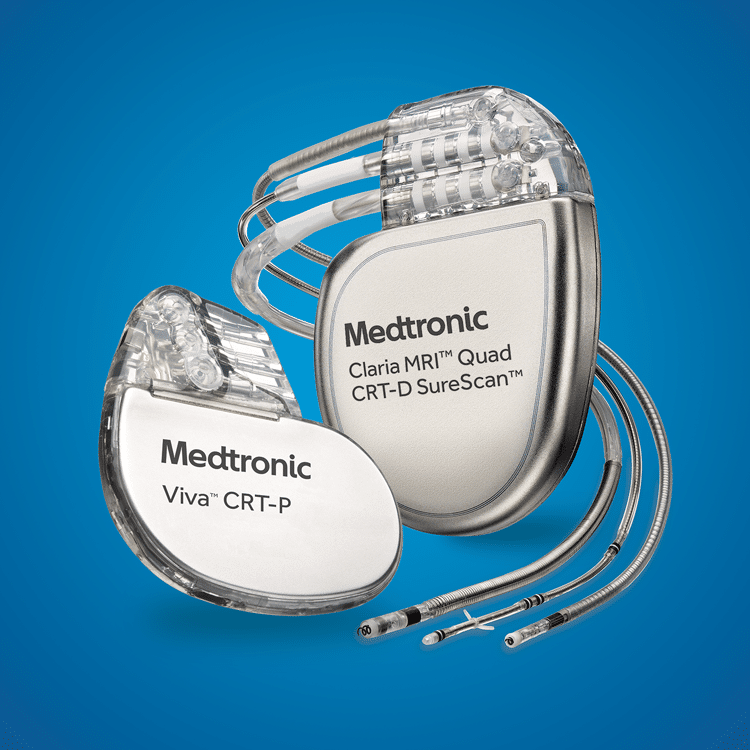
Cardiac Resynchronization Therapy (CRT) is an advanced device treatment used for patients with severe heart failure and weak heart pumping function. In some heart failure patients, the right and left sides of the heart do not beat in a coordinated manner because of electrical conduction abnormalities. This uncoordinated beating reduces the efficiency of the heart and worsens symptoms such as breathlessness, tiredness, swelling of the legs, reduced exercise capacity, and repeated hospital admissions. A CRT device helps the heart chambers beat together in a synchronized manner, improving overall heart function.
Read More
ASD Device Closure
Treatment

ASD Device Closure

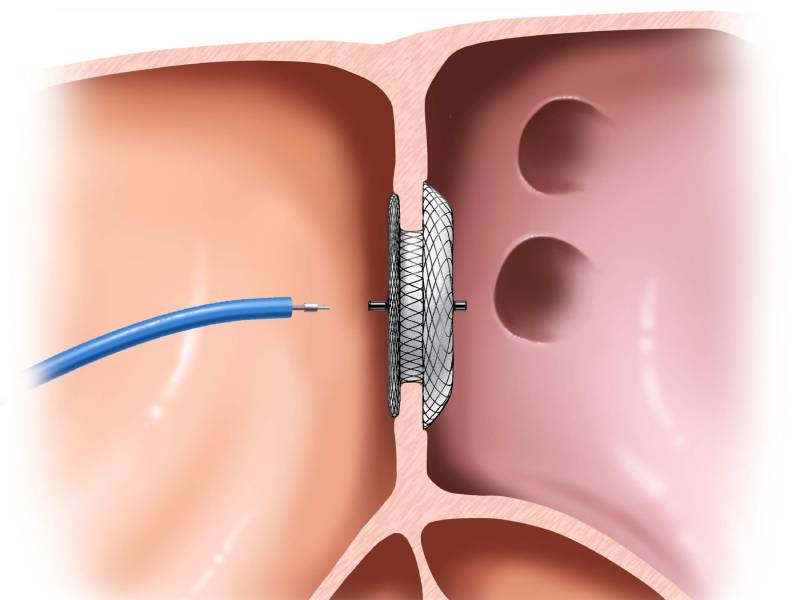
ASD device closure is a minimally invasive procedure used to close a hole in the wall between the two upper chambers of the heart, known as an Atrial Septal Defect (ASD). ASD is usually a congenital heart condition, meaning it is present from birth. In some patients, this hole allows abnormal flow of blood between the chambers of the heart, which can gradually increase the workload on the heart and lungs over many years. Small ASDs may not cause symptoms initially, but larger defects can lead to breathlessness, tiredness, palpitations, repeated chest infections, or reduced exercise capacity.
Read More
Acute Coronary Syndrome (Heart Attack) Management
Treatment

Acute Coronary Syndrome (Heart Attack) Management

Acute Coronary Syndrome (ACS), commonly known as a heart attack, is a medical emergency caused by sudden reduction or complete blockage of blood flow to the heart muscle. This usually happens when a cholesterol plaque inside a heart artery ruptures and forms a blood clot. As the blood supply decreases, the heart muscle begins to get damaged. Every minute is extremely important because delayed treatment can lead to permanent heart muscle loss, heart failure, dangerous rhythm disturbances, or even sudden cardiac death.
Read More