






Peripheral angioplasty is a minimally invasive procedure used to open narrowed or blocked arteries outside the heart and improve blood circulation to different parts of the body, most commonly the legs. These blockages usually occur due to cholesterol and plaque buildup inside the blood vessels, a condition known as Peripheral Arterial Disease (PAD). Reduced blood flow can lead to leg pain while walking, numbness, cold feet, non-healing ulcers, discoloration of the skin, or severe pain even at rest in advanced cases.
Peripheral angioplasty is commonly recommended for patients who have significant blockage affecting blood circulation and quality of life. If left untreated, severe peripheral artery disease can increase the risk of infections, tissue damage, gangrene, or even limb loss in advanced stages. Early diagnosis and treatment are important to preserve circulation and prevent complications.
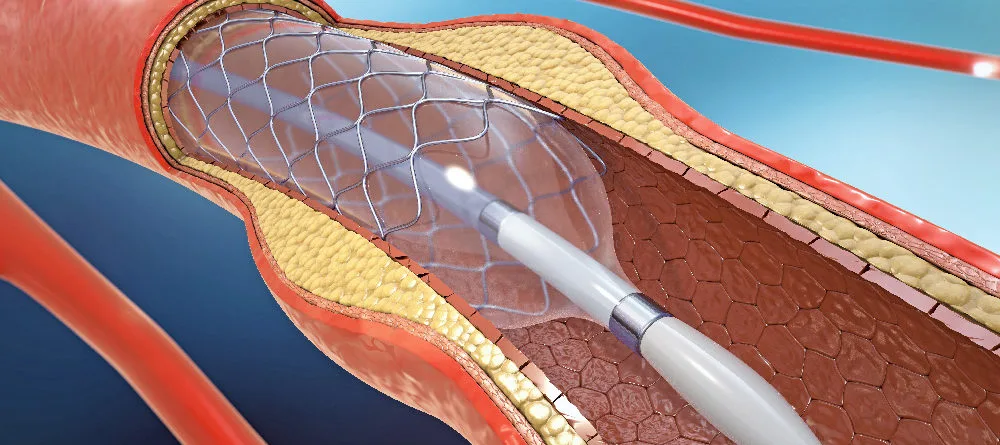
The procedure is performed in a specialized catheterization laboratory under local anesthesia. A thin catheter is inserted through a blood vessel, usually from the groin or sometimes the wrist, and guided to the blocked artery under X-ray guidance. A small balloon attached to the catheter is inflated at the narrowed segment to widen the artery and restore blood flow. In many patients, a stent — a small metal mesh tube — may also be placed to keep the artery open and maintain good circulation.
Peripheral angioplasty can be performed in arteries supplying the legs, kidneys, arms, neck, or other parts of the body depending on the location of blockage. The balloons and stents used in peripheral angioplasty are different from those used in heart (coronary) angioplasty because peripheral arteries are usually larger, longer, and exposed to greater body movement and pressure. Peripheral balloons and stents are therefore specially designed to be stronger, longer, and more flexible to suit these blood vessels and maintain long-term blood flow effectively.
Advanced technologies such as drug-coated balloons, self-expanding stents, atherectomy devices, or specialized imaging guidance may sometimes be used in complex peripheral artery disease. These modern treatment options help improve long-term success and reduce the risk of re-narrowing of the arteries.
The procedure is minimally invasive and usually associated with faster recovery compared to open vascular surgery. Most patients remain awake during the treatment and experience minimal discomfort. Depending on the complexity of the procedure and the patient’s overall condition, hospital stay is usually short.
Successful peripheral angioplasty improves blood circulation, relieves pain, promotes healing of ulcers or wounds, improves walking capacity, and reduces the risk of severe vascular complications. Long-term success also depends on controlling diabetes, blood pressure, cholesterol, stopping smoking, regular exercise, medications, and healthy lifestyle modification. Regular follow-up is important to monitor circulation and maintain vascular health.



 ESC
ESC

