






Stress testing is a commonly performed cardiac evaluation used to assess how the heart functions during physical stress or increased workload. Some heart problems, especially reduced blood supply to the heart muscle due to coronary artery disease, may not be detected when the body is at rest. Stress testing helps identify hidden heart problems by monitoring the heart while it is working harder through exercise or medication-induced stress.
One of the most commonly performed stress tests is the Treadmill Test (TMT) or Exercise Stress Test. During this test, the patient walks on a treadmill with gradually increasing speed and incline while the heart rhythm, blood pressure, symptoms, and ECG are continuously monitored. The test helps detect reduced blood supply to the heart, exercise-induced chest pain, abnormal heart rhythms, exercise tolerance, and overall cardiovascular fitness. It is commonly advised for patients with chest pain, breathlessness, suspected coronary artery disease, or for cardiac fitness evaluation.
In some patients, especially those who are unable to walk adequately due to age, weakness, arthritis, stroke, or other medical conditions, Dobutamine Stress Echocardiography may be performed instead of treadmill testing. In this procedure, a medication called dobutamine is given through a vein to temporarily increase the heart rate and workload, similar to exercise. At the same time, echocardiography images are taken to assess how different parts of the heart muscle respond to stress.
Dobutamine stress echo helps identify areas of the heart muscle receiving reduced blood supply, previous heart muscle damage, viability of heart muscle after heart attack, and certain valve-related heart conditions. It is particularly useful in patients who cannot perform physical exercise or when more detailed assessment of heart function is required.
Stress testing is generally safe and performed under close medical supervision with continuous monitoring. Patients may temporarily experience tiredness, breathlessness, chest discomfort, or palpitations during the test, but symptoms usually settle quickly after completion. Emergency equipment and trained cardiac personnel are always available for patient safety.
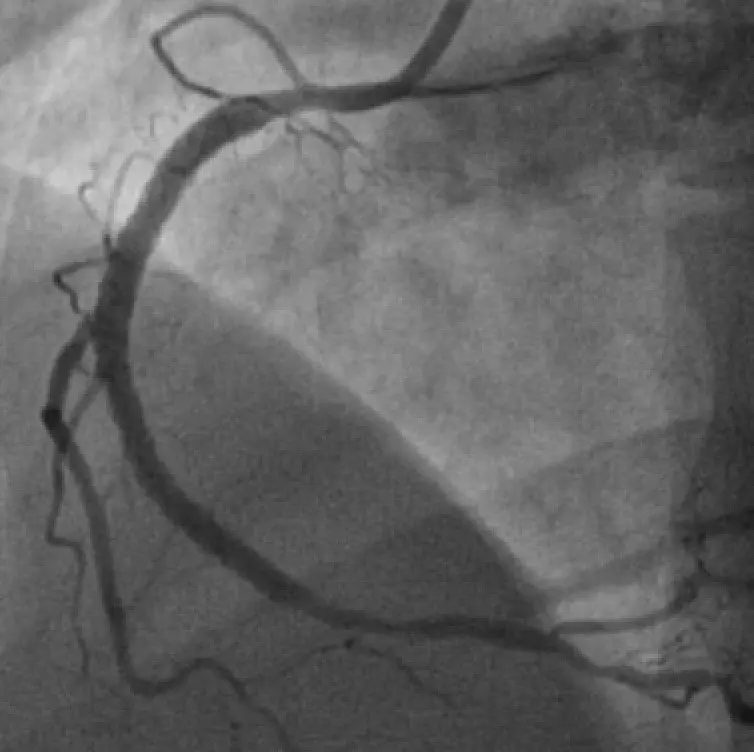
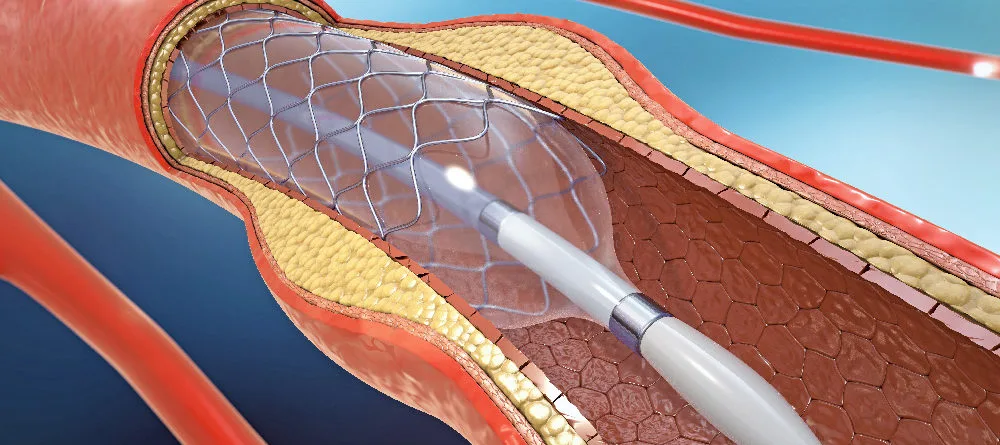
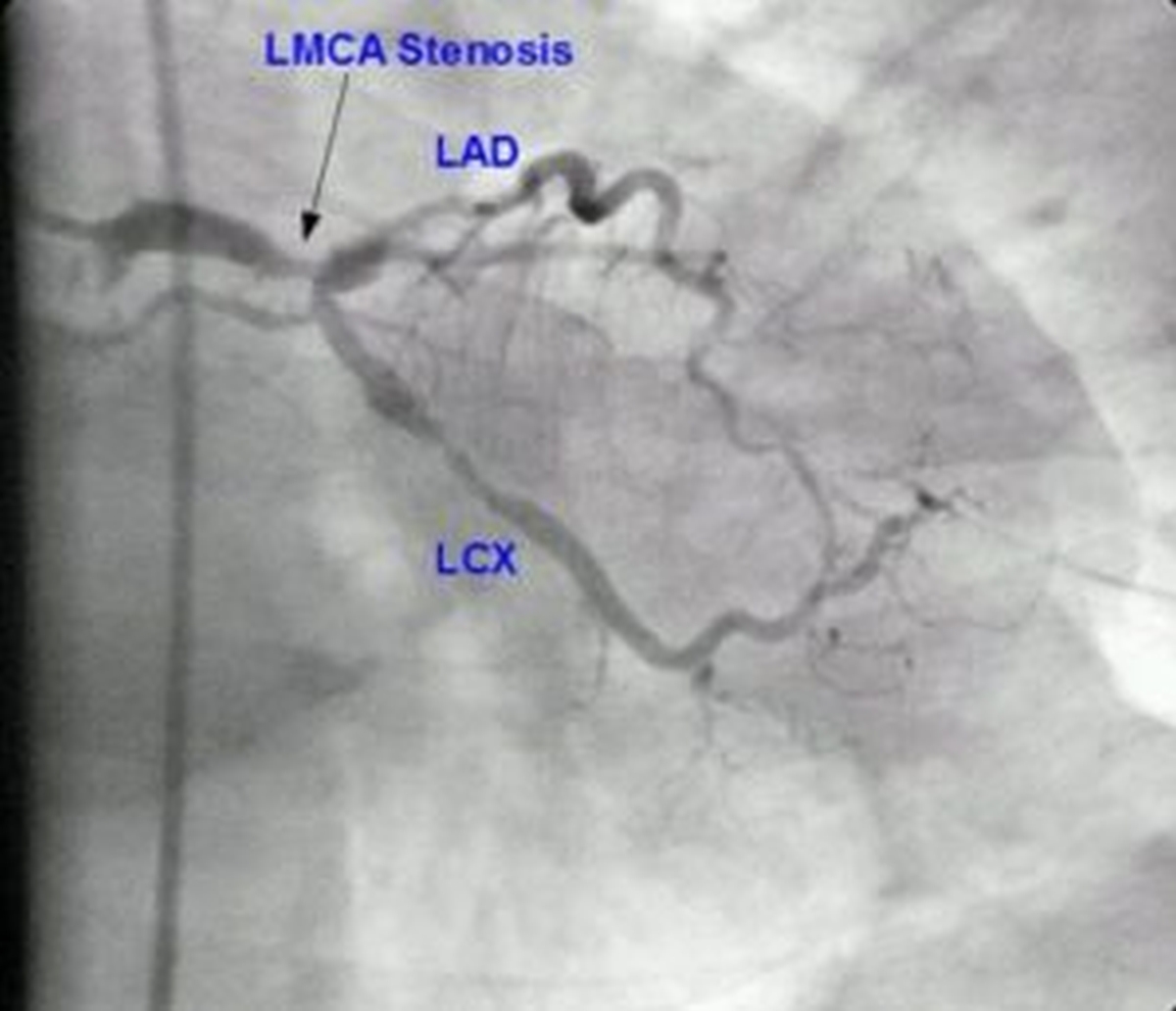
The results of stress testing help doctors determine whether further evaluation such as coronary angiography, angioplasty, medications, lifestyle modification, or additional cardiac treatment may be necessary. Early detection of coronary artery disease through stress testing can help prevent heart attacks and improve long-term heart health.



 ESC
ESC

