







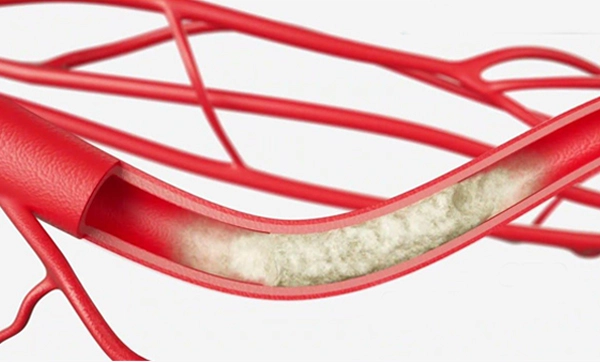
Coronary angioplasty, also known as PTCA (Percutaneous Transluminal Coronary Angioplasty), is a minimally invasive procedure used to open blocked or narrowed heart arteries and restore normal blood flow to the heart muscle. These blockages are usually caused by cholesterol deposits and plaque buildup inside the coronary arteries. Reduced blood flow can lead to chest pain (angina), breathlessness, fatigue, or heart attack. Angioplasty helps improve blood circulation to the heart and relieves symptoms effectively.
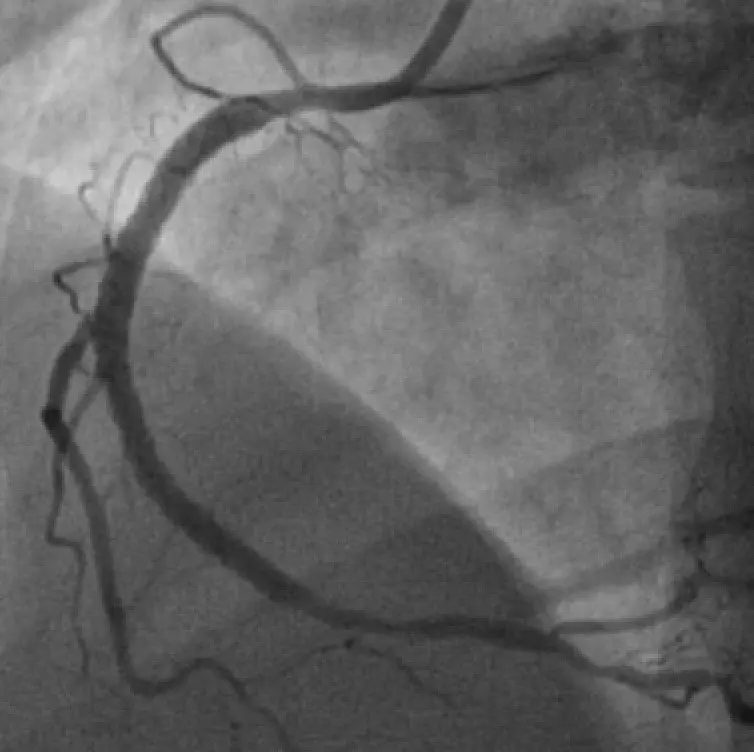
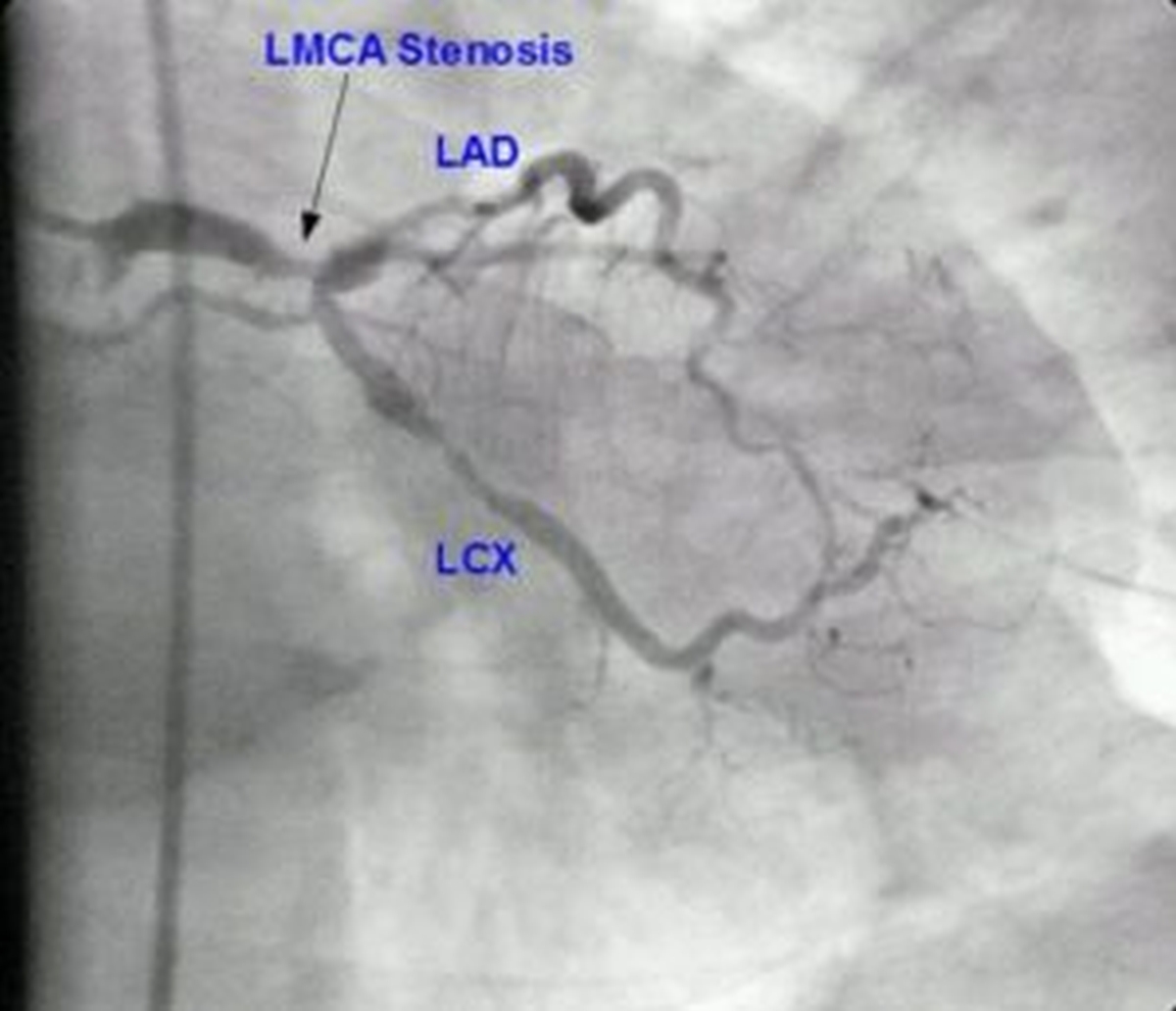
This procedure is commonly recommended for patients with significant coronary artery blockages detected during coronary angiography. It may be performed as an emergency treatment during a heart attack or as a planned procedure in patients with ongoing chest pain despite medications. Angioplasty is especially useful in preventing further heart damage and improving quality of life in patients with coronary artery disease.
The procedure is performed in a cardiac catheterization laboratory (Cath Lab) under local anesthesia. A thin tube called a catheter is inserted through the wrist or groin artery and guided to the blocked heart artery. A small balloon attached to the catheter is inflated at the site of blockage to widen the artery and restore blood flow. In most cases, a stent — a small expandable metal mesh tube — is placed inside the artery to keep it open permanently and reduce the chance of re-narrowing.
Modern angioplasty procedures are highly advanced and may use specialized imaging technologies such as IVUS, OCT, or FFR for greater precision and safety. Depending on the complexity of the blockage, the procedure may take anywhere from 30 minutes to a few hours. Most patients remain awake during the procedure and experience minimal discomfort.
After angioplasty, patients are usually monitored for a short period in the hospital. Many patients can return home within one or two days and gradually resume normal activities. Medicines such as blood thinners are prescribed after stent placement to prevent clot formation and ensure smooth blood flow through the treated artery.
Coronary angioplasty is considered a safe and effective treatment for coronary artery disease when performed by experienced specialists. The procedure helps relieve chest pain, improves exercise capacity, reduces the risk of heart attack, and in emergency situations, can be life-saving. Long-term success also depends on healthy lifestyle changes, regular exercise, proper diet, control of diabetes and blood pressure, and stopping smoking.



 ESC
ESC

