







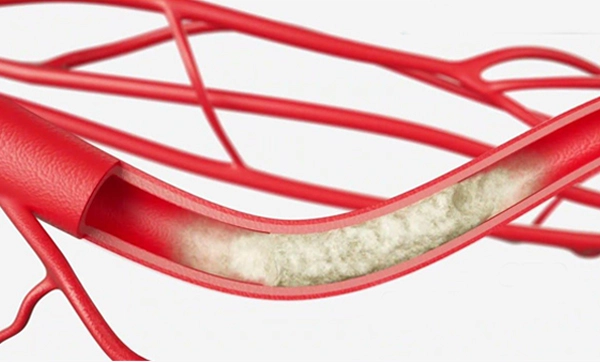
Complex PCI (Percutaneous Coronary Intervention) refers to advanced angioplasty procedures performed for difficult or high-risk heart artery blockages. These include blockages in the left main coronary artery, which supplies blood to a major portion of the heart, or at artery branching points known as bifurcations. Such blockages are more challenging because they involve important blood vessels that supply large areas of the heart muscle. If left untreated, they can increase the risk of severe chest pain, heart attack, heart failure, or sudden cardiac complications.
Patients requiring complex PCI may present with chest pain, breathlessness, reduced exercise tolerance, abnormal stress test results, or acute coronary syndrome. In some patients, these blockages are detected during coronary angiography done for heart-related symptoms. Complex PCI is often considered in patients who are high-risk for bypass surgery, elderly patients, or those who prefer a minimally invasive treatment approach after detailed evaluation by the heart team.
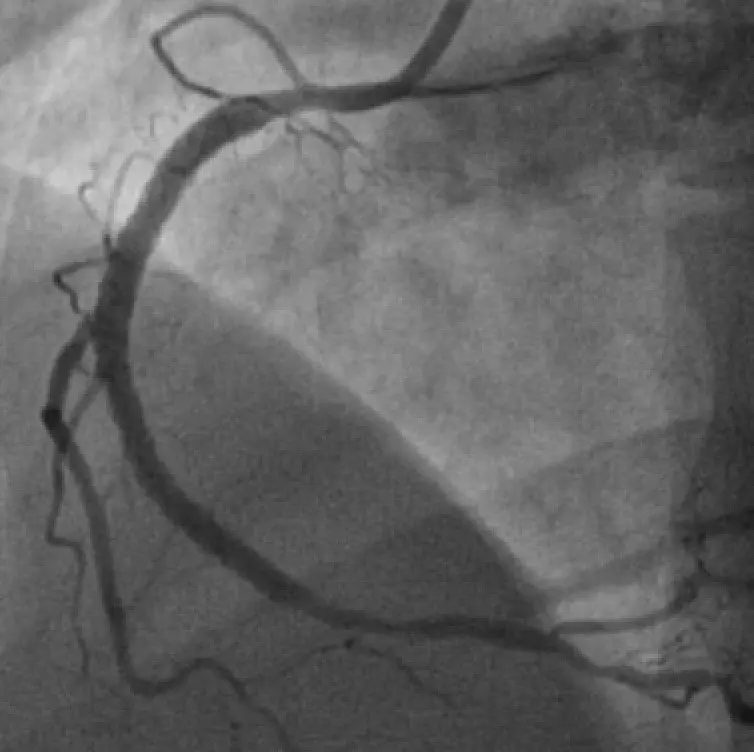
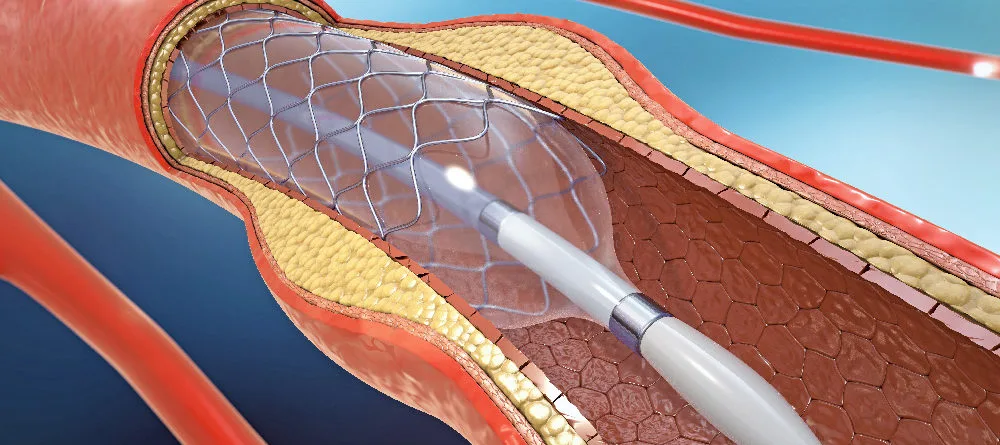
The procedure is performed in a specialized cardiac catheterization laboratory using advanced imaging and precision-guided techniques. A catheter is inserted through the wrist or groin artery and guided to the heart arteries. Depending on the type and location of the blockage, specialized balloons, wires, and stents are used to treat the narrowed segments while preserving blood flow to important side branches. Advanced technologies such as IVUS (Intravascular Ultrasound), OCT (Optical Coherence Tomography), or FFR may be used to improve accuracy and optimize stent placement. Left main angioplasty requires particular expertise because the left main artery supplies blood to a large portion of the heart. Bifurcation angioplasty involves treating blockages located where one artery divides into two branches, which requires careful planning and specialized stenting techniques. In certain cases, multiple stents or complex stent strategies may be necessary to achieve the best long-term result.
Complex PCI procedures may take longer than routine angioplasty and require careful monitoring throughout the procedure. Most patients remain awake and comfortable during treatment. Recovery is usually faster compared to open-heart bypass surgery, and many patients can return home within a few days depending on their overall condition and procedure complexity.
When performed by experienced interventional cardiologists, complex PCI can provide excellent outcomes and significant symptom relief. The procedure helps improve blood flow to the heart, reduce chest pain, improve heart function, and lower the risk of future cardiac events. Long-term success depends on regular follow-up, medications, healthy lifestyle changes, and proper control of risk factors such as diabetes, high blood pressure, cholesterol, and smoking.



 ESC
ESC

