







Chest pain is one of the most common symptoms for which patients seek cardiac consultation. While many people immediately fear a heart attack, it is important to understand that not all chest pain is related to the heart. At the same time, certain types of chest pain can be an early warning sign of serious heart disease and should never be ignored.
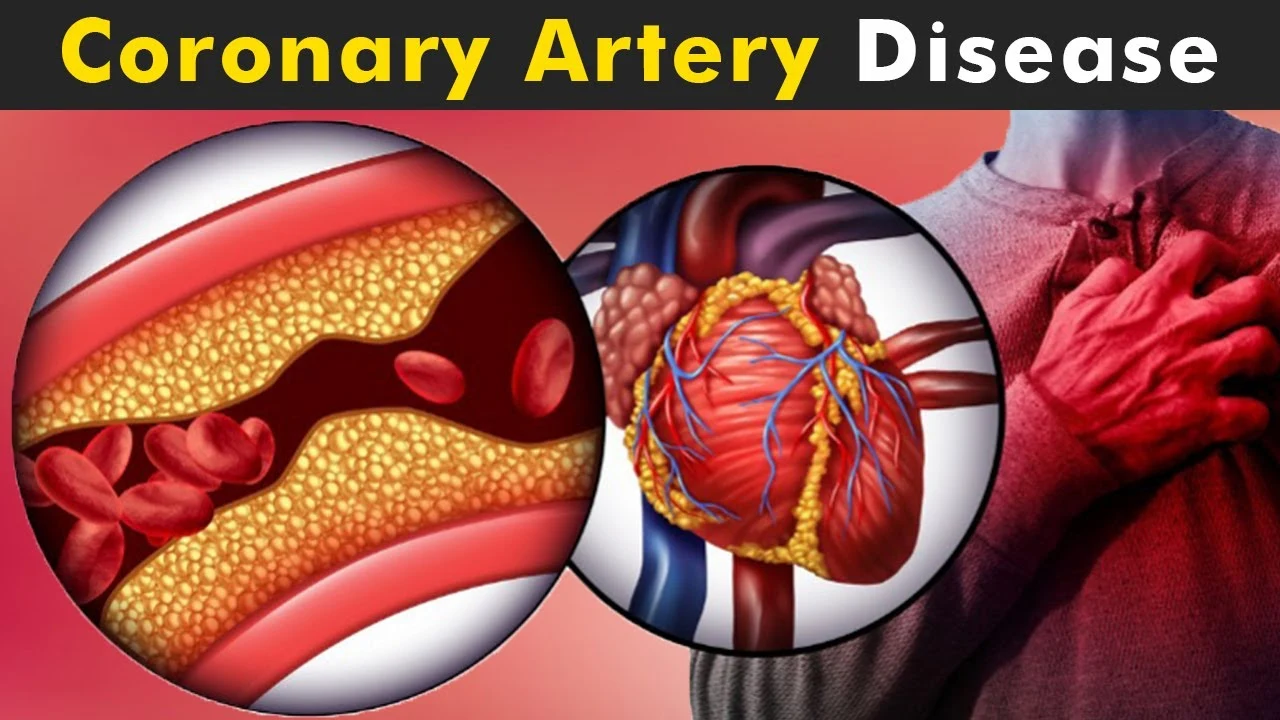
Angina is the term used for chest discomfort caused by reduced blood supply to the heart muscle, usually due to narrowing of the coronary arteries. Patients often describe it as heaviness, pressure, tightness, burning or squeezing sensation in the chest. The discomfort may spread to the arm, neck, jaw, shoulder or back and is often triggered by exertion, emotional stress or climbing stairs.
Typical cardiac chest pain may be associated with:
- Shortness of breath
- Sweating
- Palpitations
- Fatigue
- Dizziness
- Nausea/Vomiting
However, chest pain can also occur due to several non-cardiac causes such as acidity, gastritis, muscle strain, anxiety, lung conditions or cervical spine problems. Some patients experience sharp, localized pain lasting for a few seconds, while others may have burning sensation after meals or pain related to body movements. These may not always indicate heart disease.
Distinguishing cardiac from non-cardiac chest pain is not always possible without proper medical evaluation. This is especially important in individuals with diabetes, hypertension, smoking history, obesity, high cholesterol or family history of heart disease, where symptoms may sometimes be mild or atypical.
Many heart attacks begin with subtle symptoms that patients ignore as “gas trouble” or muscle pain. Delayed diagnosis can increase the risk of serious complications including heart failure and sudden cardiac death.
A cardiac consultation helps assess the nature of chest pain, identify risk factors and determine whether further evaluation is required. Depending on the patient’s symptoms and risk profile, tests may include:
- ECG
- Echocardiography
- Treadmill test (TMT)
- CT coronary angiography
- Coronary angiogram
- Blood investigations
Early evaluation provides reassurance when the pain is non-cardiac and allows timely treatment when heart disease is detected. Seeking medical attention early can prevent major complications and improve long-term heart health.




 ESC
ESC

