






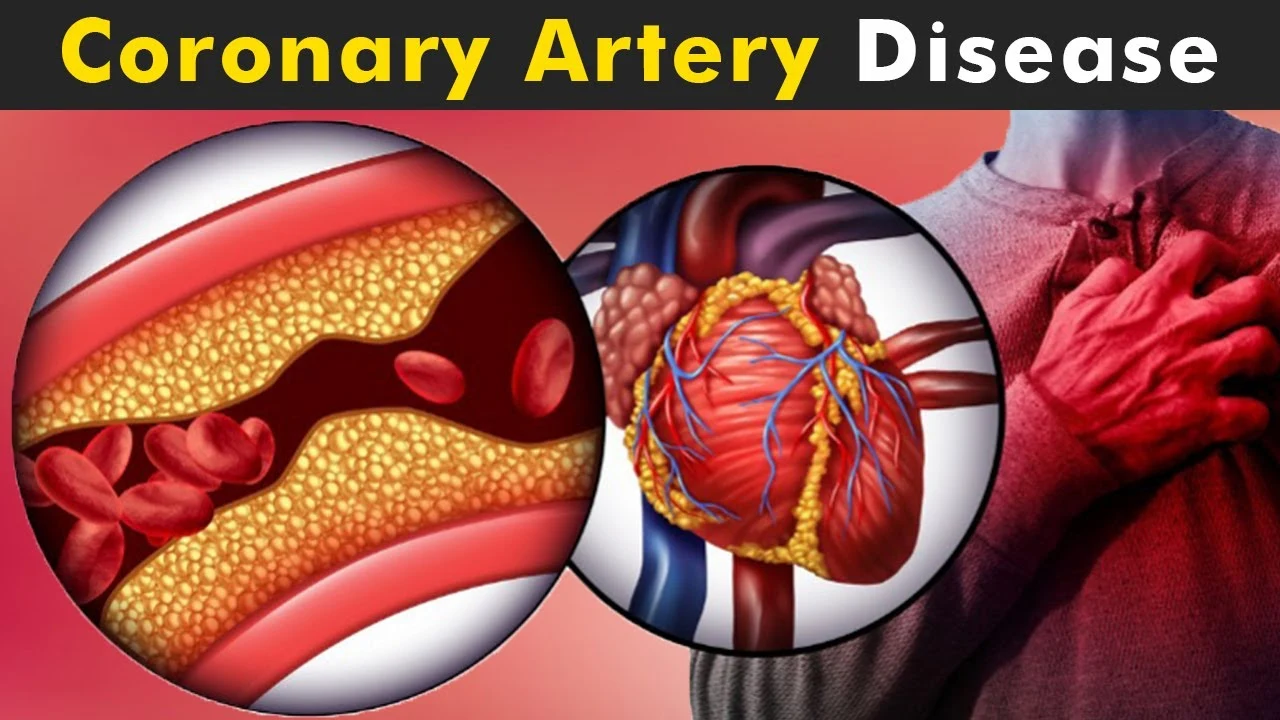
A heart attack, medically known as Myocardial Infarction (MI), is a life-threatening condition that occurs when the blood supply to a part of the heart muscle is suddenly blocked. This usually happens due to rupture of cholesterol plaque inside the coronary arteries followed by formation of a blood clot, preventing oxygen-rich blood from reaching the heart muscle. If blood flow is not restored quickly, permanent damage to the heart can occur.
Heart attacks have become increasingly common in India and are now seen even in younger individuals. Sedentary lifestyle, diabetes, smoking, stress, high blood pressure, obesity, high cholesterol and family history are major contributing factors. Indians are known to develop coronary artery disease at a younger age compared to many Western populations.
The classic symptom of a heart attack is severe chest pain or heaviness, often described as pressure, tightness or squeezing sensation in the center of the chest. The pain may radiate to the left arm, neck, jaw, shoulder or back. Patients may also experience:
- Sweating
- Shortness of breath
- Nausea or vomiting
- Dizziness
- Sudden weakness
- Palpitations
However, not all heart attacks present typically. Diabetic patients, elderly individuals and women may have “silent” or atypical symptoms such as unexplained fatigue, mild breathlessness, indigestion-like discomfort or only sweating.
A heart attack is a medical emergency. Early treatment can save heart muscle and significantly improve survival. Immediate medical attention should be sought if symptoms last more than a few minutes.
Diagnosis is usually made with ECG, cardiac enzyme blood tests and echocardiography. In most patients, coronary angiography helps identify the blocked artery. Treatment may involve emergency angioplasty with stenting, clot-dissolving medications or other advanced cardiac procedures depending on the condition and timing of presentation.
The first few hours after symptom onset are extremely important and are often referred to as the “golden hours.” Delayed treatment increases the risk of heart failure, dangerous rhythm disturbances and sudden cardiac death.
Recovery after a heart attack requires long-term lifestyle changes and regular follow-up. Strict control of diabetes, blood pressure and cholesterol, smoking cessation, exercise, healthy diet and adherence to medications play a major role in preventing future cardiac events.
With modern treatment and timely intervention, many patients recover well and can return to normal, active lives.



 ESC
ESC

