







Renal angioplasty is a minimally invasive procedure used to treat narrowing or blockage of the arteries supplying blood to the kidneys, a condition known as renal artery stenosis. When the kidney arteries become narrowed, blood flow to the kidneys decreases, which can lead to uncontrolled high blood pressure, worsening kidney function, fluid retention, or recurrent episodes of heart failure and breathlessness. Early diagnosis and treatment are important to protect both kidney function and overall cardiovascular health.
Renal artery narrowing commonly occurs due to cholesterol plaque buildup (atherosclerosis), especially in elderly patients, diabetics, smokers, or individuals with long-standing hypertension. In younger patients, certain rare conditions affecting blood vessels may also cause narrowing of the renal arteries. Patients may be suspected to have renal artery stenosis when blood pressure remains uncontrolled despite multiple medications or when kidney function worsens without a clear cause.
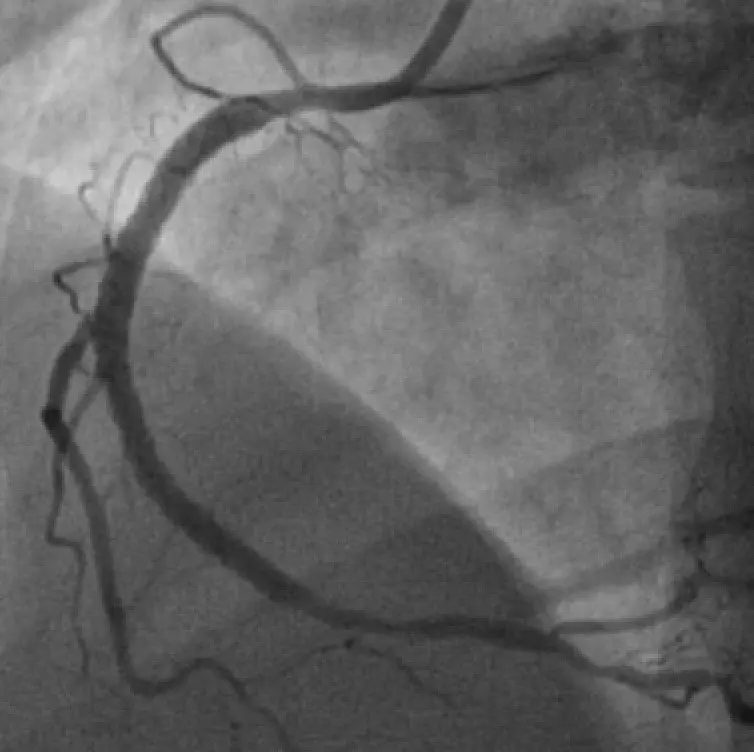
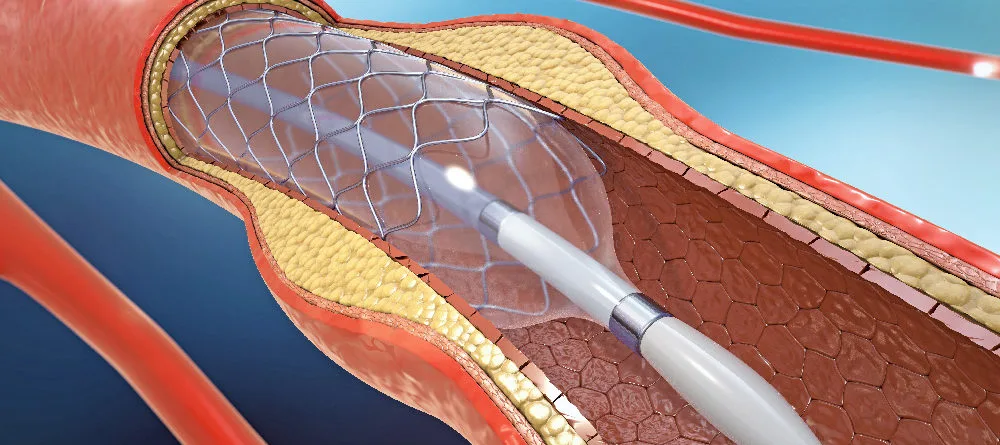
Renal angioplasty is usually performed through the groin artery because it provides easier and more stable access to the kidney arteries. The procedure is carried out in a specialized catheterization laboratory under local anesthesia. A thin catheter is inserted through the blood vessel in the groin and guided carefully to the kidney artery under X-ray guidance. Contrast dye is injected to visualize the narrowing, and a small balloon is inflated at the blocked segment to widen the artery and improve blood flow to the kidney.
In many patients, a stent — a small metal mesh tube — is also placed inside the artery to keep it open and maintain long-term circulation. The balloons and stents used for renal angioplasty are specially designed to suit the size, structure, and blood flow characteristics of kidney arteries. Advanced imaging and pressure measurements may sometimes be used to improve precision and treatment outcomes.
The procedure is minimally invasive and usually well tolerated. Most patients remain awake and comfortable during treatment. Hospital stay is generally short, and recovery is usually faster compared to surgical procedures. Patients are monitored for blood pressure control, kidney function, and overall recovery after the procedure.
Successful renal angioplasty can help improve blood flow to the kidneys, assist in better blood pressure control, preserve kidney function, and reduce complications related to severe renal artery narrowing. Long-term management also includes control of diabetes, cholesterol, smoking cessation, healthy lifestyle modification, regular medications, and follow-up monitoring to maintain vascular and kidney health.



 ESC
ESC

