







Rotablation, also known as Rotational Atherectomy, is a specialized heart procedure used to treat severely calcified or hardened blockages in the coronary arteries. In some patients, especially elderly individuals, diabetics, or those with long-standing heart disease, calcium deposits build up inside the arteries and make the blockage extremely hard.
Rotablation, also known as Rotational Atherectomy, is a specialized heart procedure used to treat severely calcified or hardened blockages in the coronary arteries. In some patients, especially elderly individuals, diabetics, or those with long-standing heart disease, calcium deposits build up inside the arteries and make the blockage extremely hard.
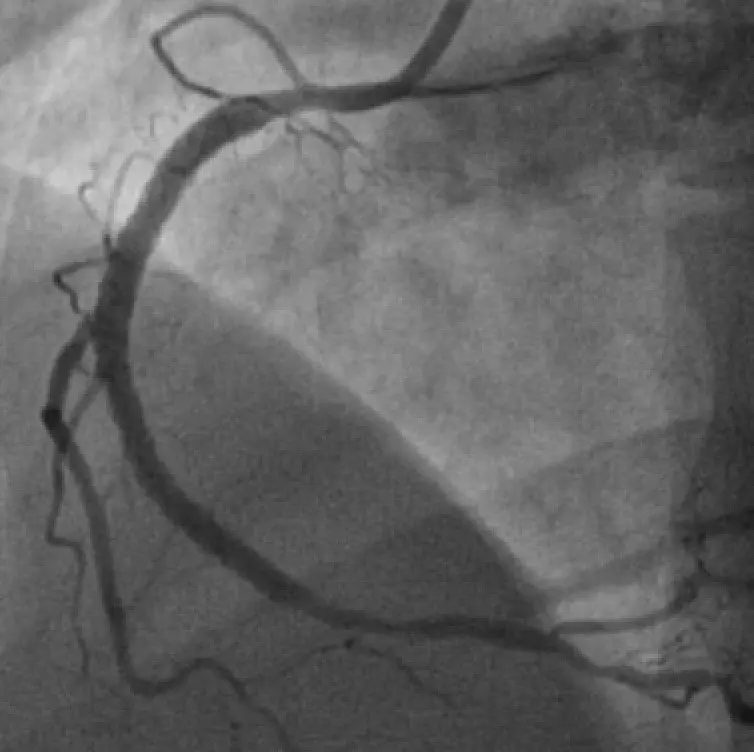
These calcified blockages may not expand properly with routine balloon angioplasty alone and can make stent placement difficult. Rotablation helps prepare these tough blockages for successful angioplasty and stenting. Patients who require rotablation often have symptoms such as chest pain, breathlessness, reduced exercise tolerance, or may present with heart attack symptoms. The condition is usually identified during coronary angiography, where the artery appears heavily calcified. Treating such blockages is important because severe calcium buildup can significantly reduce blood flow to the heart muscle and increase the risk of serious cardiac complications.
The procedure is performed in a cardiac catheterization laboratory under local anesthesia. A thin catheter is inserted through the wrist or groin artery and guided to the blocked coronary artery. A tiny diamond-coated rotating device called a burr is then advanced to the calcified blockage. This device rotates at very high speed and carefully sands down or modifies the hard calcium deposits into microscopic particles, which are safely carried away in the bloodstream.
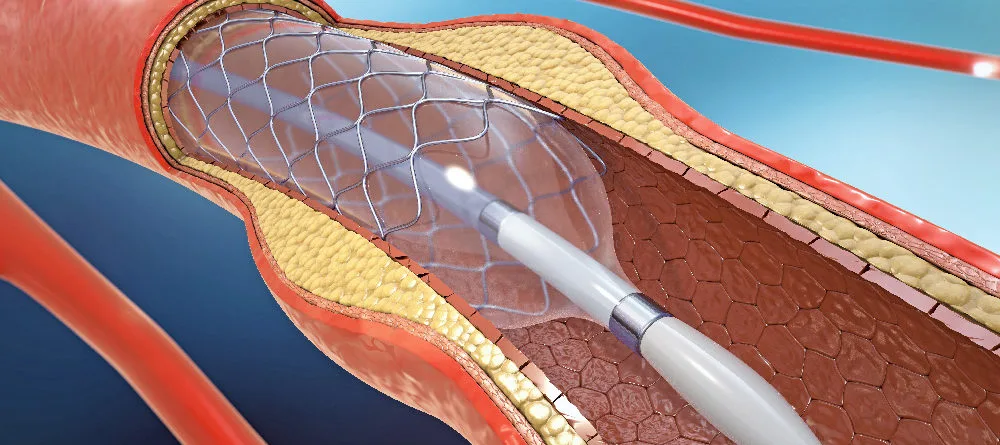
Once the calcium is modified, the artery becomes more flexible and easier to treat with balloon angioplasty and stent placement. This improves stent expansion and helps achieve better long-term results. Advanced imaging technologies such as IVUS or OCT may also be used during the procedure for greater accuracy and safety.
Rotablation is considered an advanced interventional cardiology procedure and is performed by specially trained cardiologists. Although the procedure may take longer than standard angioplasty, most patients remain awake and comfortable throughout the treatment. Patients are usually monitored after the procedure and discharged within one or two days depending on their condition.
Rotablation has significantly improved the ability to treat complex calcified coronary artery disease without open-heart surgery in many patients. Successful treatment can relieve symptoms, improve blood flow to the heart, enhance quality of life, and reduce future cardiac risks. Long-term care includes medications, lifestyle changes, regular follow-up, and control of risk factors such as diabetes, high blood pressure, cholesterol, and smoking.



 ESC
ESC

