






Valvular heart disease refers to conditions in which one or more of the heart valves become narrowed, leaky, or damaged, affecting normal blood flow through the heart. The heart has four valves that help maintain one-way blood circulation. When these valves do not function properly, the heart has to work harder to pump blood, which can eventually lead to symptoms and heart dysfunction if left untreated.
Patients with valvular heart disease may experience breathlessness, chest discomfort, palpitations, dizziness, swelling of the legs, fatigue, reduced exercise capacity, or fainting episodes. Some patients may remain symptom-free for many years, and the condition may first be detected during a routine examination when a heart murmur is heard. Common causes include age-related valve degeneration, rheumatic heart disease, congenital valve abnormalities, infections, or calcium buildup in the valves.
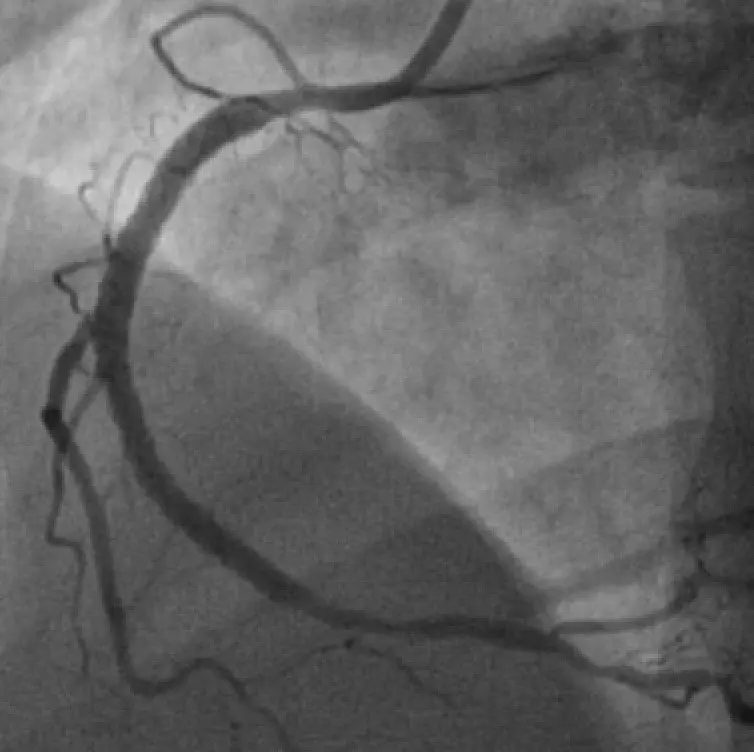
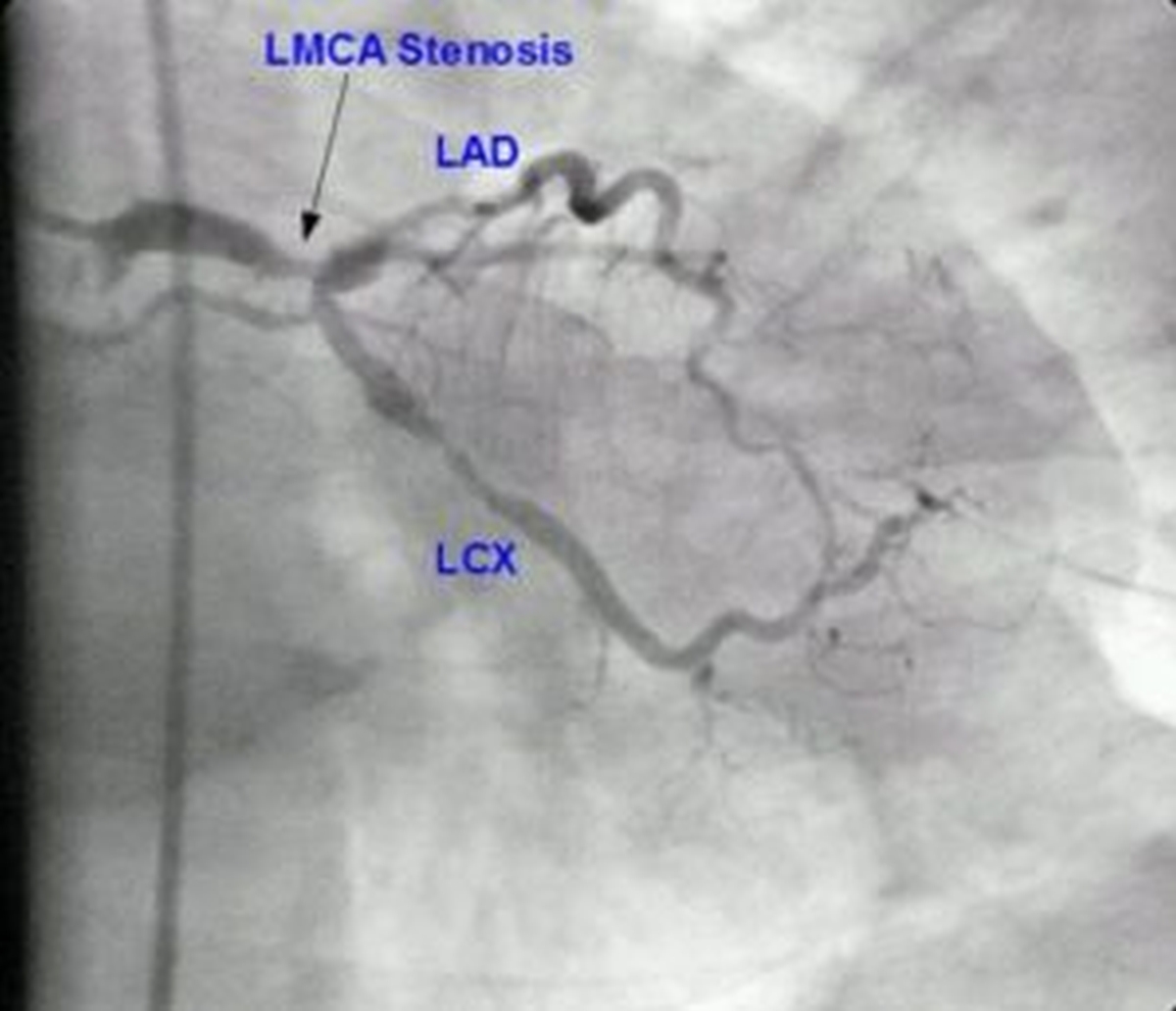
Evaluation of valvular heart disease involves detailed clinical examination and specialized heart investigations to assess the type and severity of valve involvement. Echocardiography (heart ultrasound) is the most important test used to evaluate valve structure, blood flow, pressure changes, and heart pumping function. Additional investigations such as ECG, chest X-ray, stress testing, CT scan, cardiac MRI, or coronary angiography may also be advised in selected patients.
The evaluation helps determine whether the condition can be managed with medications and follow-up or whether procedures such as balloon valvotomy, valve repair, transcatheter interventions, or valve replacement surgery may be required. Early diagnosis and regular monitoring are important to prevent complications such as heart failure, arrhythmias, pulmonary hypertension, or irreversible heart damage.
Modern advances in cardiac imaging and valve treatment have significantly improved outcomes in patients with valvular heart disease. Timely evaluation and appropriate treatment can help relieve symptoms, improve quality of life, and maintain long-term heart function.



 ESC
ESC

