







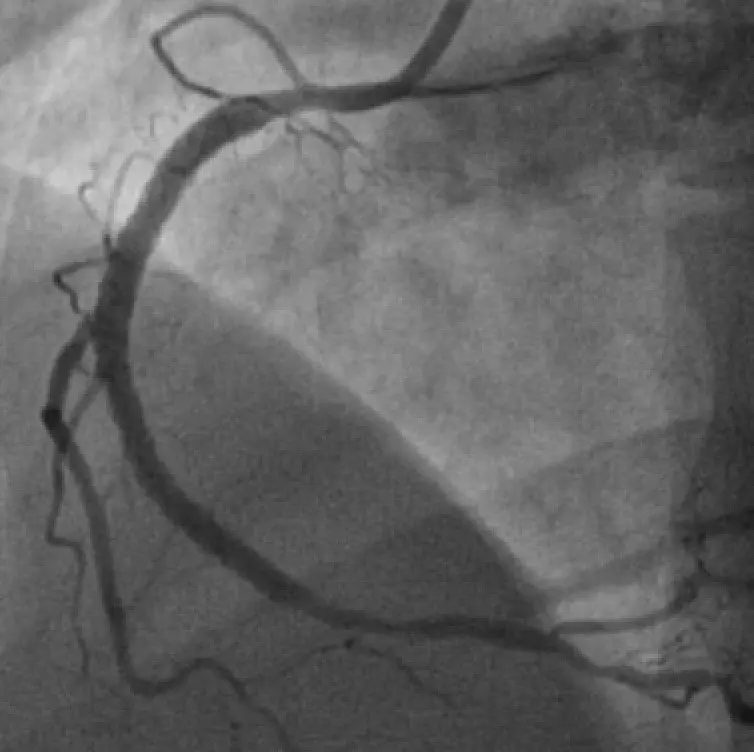
CTO intervention is an advanced angioplasty procedure performed to open a coronary artery that has been completely blocked for a long duration, usually for more than three months. This complete blockage is called a Chronic Total Occlusion (CTO). Over time, the body may develop small alternate blood channels, but they are often insufficient to supply enough blood to the heart muscle. Patients with CTO may experience chest pain, shortness of breath, fatigue, reduced exercise capacity, or persistent symptoms despite medications.
CTO procedures are usually recommended for patients who continue to have symptoms affecting their daily activities or when a large area of the heart is receiving reduced blood supply. Some patients may also have weakened heart function due to long-standing poor circulation. A detailed evaluation including angiography and heart imaging helps determine whether opening the blocked artery will provide benefit.
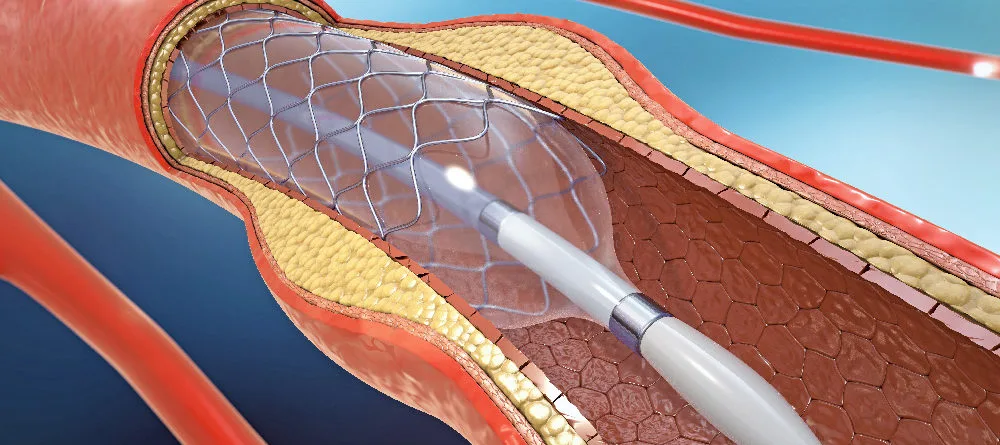
CTO intervention is one of the most technically advanced procedures in interventional cardiology. The procedure is performed in a specialized cardiac catheterization laboratory under local anesthesia. Thin wires and microcatheters are carefully guided through or around the completely blocked artery using highly specialized techniques. Once the blockage is crossed successfully, balloons are used to widen the artery, and stents are usually placed to maintain blood flow permanently.
Unlike routine angioplasty, CTO procedures can be more complex and may take longer because the artery is completely blocked with hard, long-standing plaque and scar tissue. Advanced imaging tools such as IVUS (Intravascular Ultrasound) and specialized equipment are often used to improve precision and safety. In some cases, the cardiologist may approach the blockage from different directions within the artery to achieve successful crossing.
Most patients remain awake during the procedure and are closely monitored throughout treatment. Depending on the complexity, patients may stay in the hospital for observation for one or two days after the procedure. Recovery is generally smooth, and patients can gradually return to their regular activities as advised by the doctor.
Successful CTO intervention can significantly improve symptoms, exercise tolerance, heart function, and quality of life. In selected patients, restoring blood flow to the blocked artery may also reduce the risk of future cardiac complications. Long-term results are best when combined with proper medications, healthy diet, regular exercise, smoking cessation, and control of diabetes, blood pressure, and cholesterol levels.



 ESC
ESC

