






Preventive cardiac screening is a comprehensive heart health evaluation aimed at detecting cardiovascular disease at an early stage, even before symptoms develop. Many heart conditions such as coronary artery disease, hypertension, rhythm disorders, and heart muscle weakness can remain silent for years and may first present as a heart attack or sudden cardiac event. Preventive screening helps identify risk factors early and allows timely treatment and lifestyle modification to reduce future heart-related complications.
Cardiac screening is especially important for individuals with risk factors such as diabetes, high blood pressure, high cholesterol, obesity, smoking, sedentary lifestyle, stress, family history of heart disease, or advancing age. It is also beneficial for people with symptoms such as chest discomfort, breathlessness, palpitations, reduced exercise capacity, or unexplained fatigue. Even apparently healthy individuals may benefit from periodic heart screening depending on age and overall risk profile.
Preventive cardiac evaluation may include blood pressure assessment, ECG, echocardiography, treadmill stress testing, blood investigations for cholesterol and diabetes, ambulatory blood pressure monitoring, Holter monitoring, and other specialized cardiac tests when required. Modern preventive cardiac screening may also include CT Coronary Angiography and Coronary Artery Calcium (CAC) Scoring for more detailed evaluation of coronary artery disease risk.
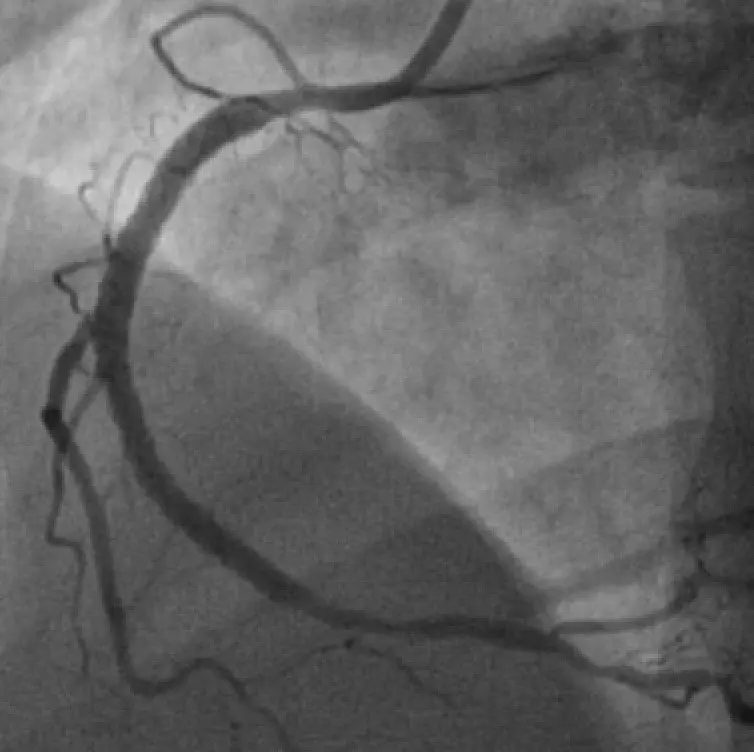
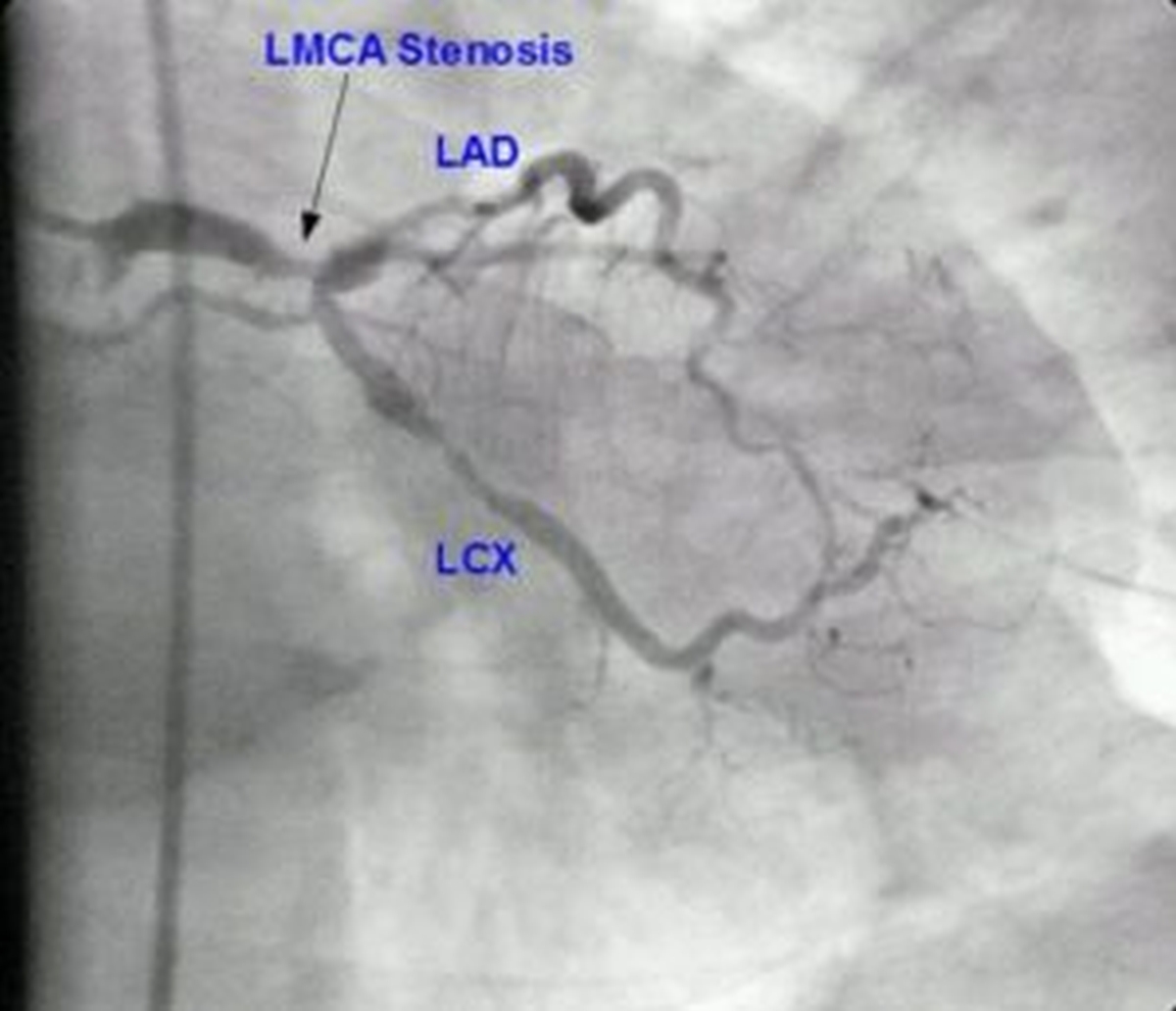
CT Coronary Angiography is a non-invasive CT scan that provides detailed images of the heart arteries and helps detect narrowing or plaque buildup without inserting catheters into the body. It is particularly useful in selected patients with chest pain, intermediate cardiac risk, or suspected early coronary artery disease. Coronary Artery Calcium Scoring is another specialized CT-based test that measures calcium deposits inside the coronary arteries. A higher calcium score may indicate increased risk of future heart attack or coronary artery disease even before symptoms develop.
The purpose of preventive screening is not only to diagnose existing heart disease but also to identify individuals at high risk of developing future cardiac problems. Early detection allows initiation of lifestyle changes, medications, risk factor control, and close follow-up before serious complications such as heart attack, stroke, heart failure, or sudden cardiac death occur.
An important part of preventive cardiac care includes guidance regarding healthy diet, regular exercise, weight management, smoking cessation, stress reduction, blood sugar control, cholesterol management, and maintaining healthy blood pressure levels. Patients are educated regarding heart-healthy habits and the importance of regular follow-up and timely medical evaluation.
Modern preventive cardiology plays a major role in reducing the burden of cardiovascular disease and improving long-term health outcomes. Early screening, timely diagnosis, and proper risk factor management can significantly reduce the chances of major heart problems and help individuals maintain a healthier and more active life.



 ESC
ESC

