
Treatments
Cardiology treatments That Dr. Manju Bhargav Offer
Advanced Heart Failure / Cardiogenic Shock
Treatment

Advanced Heart Failure / Cardiogenic Shock

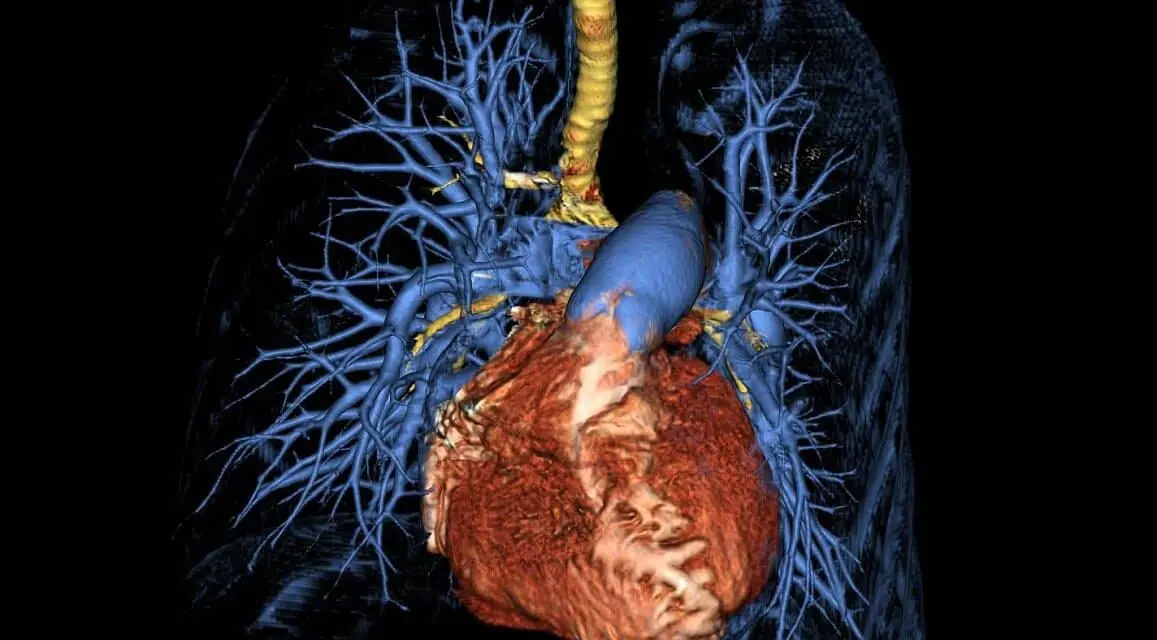
Advanced heart failure is a serious condition in which the heart becomes too weak to pump blood effectively to meet the body’s needs. This commonly develops after severe or untreated heart attacks causing weakening of the heart muscle (LV dysfunction), long-standing coronary artery disease, cardiomyopathy, valve disease, uncontrolled hypertension, or severe rhythm disorders. As heart function worsens, patients may develop severe breathlessness, swelling of the legs or abdomen, fatigue, difficulty lying flat, repeated hospital admissions, and inability to perform routine daily activities.
Read More
Post Heart Attack Rehabilitation
Treatment

Post Heart Attack Rehabilitation

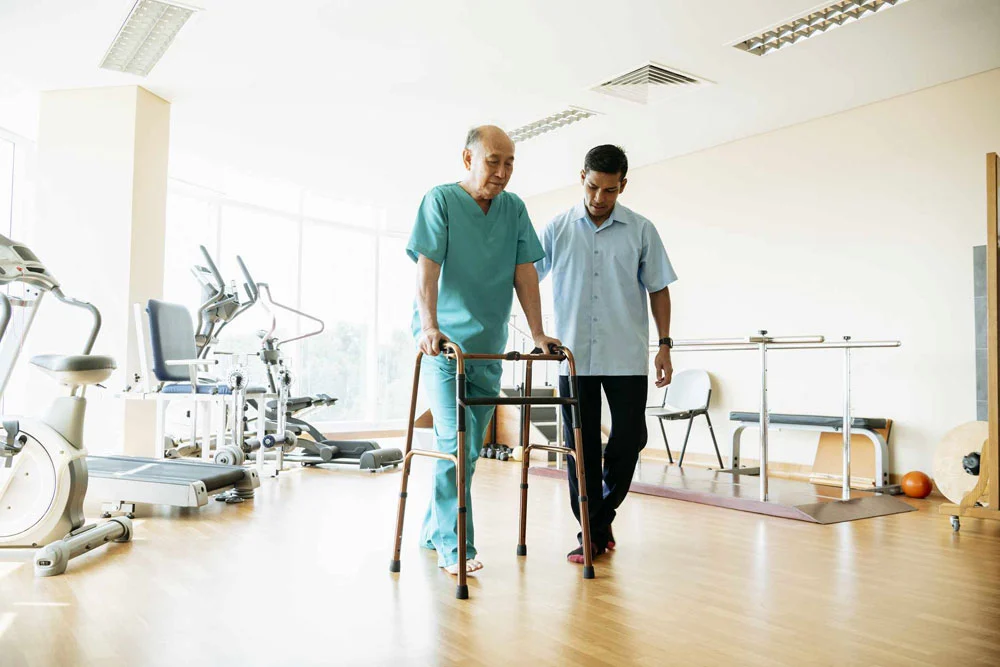
Post heart attack rehabilitation, also known as cardiac rehabilitation, is a structured recovery program designed to help patients regain physical strength, improve heart health, and reduce the risk of future heart problems after a heart attack or heart procedure. Even after successful treatment with angioplasty, stenting, or medications, the heart and body need proper recovery and long-term care. Cardiac rehabilitation helps patients return safely to their normal daily activities with better confidence and improved quality of life.
Read More
Peripheral Angiography
Treatment

Peripheral Angiography

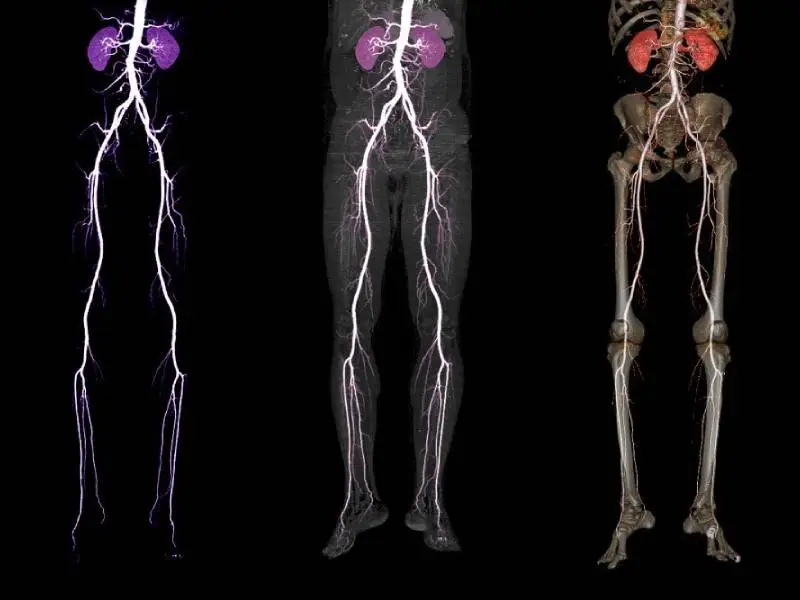
Peripheral angiography is a specialized imaging procedure used to evaluate blood flow in the arteries outside the heart, especially in the legs, arms, kidneys, neck, or other parts of the body. It helps identify narrowing or blockage in these blood vessels, a condition commonly known as Peripheral Arterial Disease (PAD). Reduced blood flow through these arteries can lead to pain, poor circulation, delayed wound healing, or damage to organs and tissues if left untreated.
Read More
Peripheral Angioplasty
Treatment

Peripheral Angioplasty

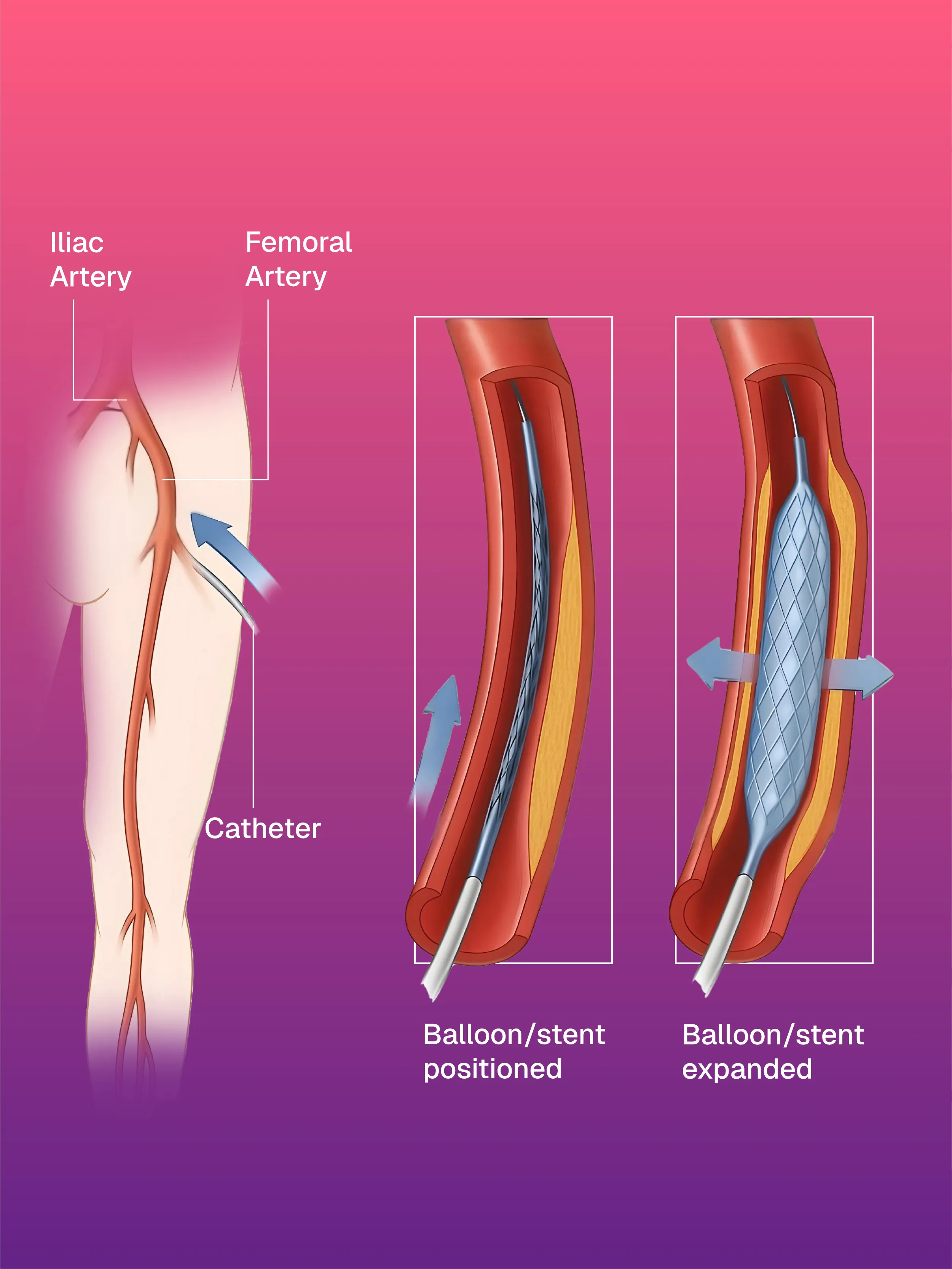
Peripheral angioplasty is a minimally invasive procedure used to open narrowed or blocked arteries outside the heart and improve blood circulation to different parts of the body, most commonly the legs. These blockages usually occur due to cholesterol and plaque buildup inside the blood vessels, a condition known as Peripheral Arterial Disease (PAD). Reduced blood flow can lead to leg pain while walking, numbness, cold feet, non-healing ulcers, discoloration of the skin, or severe pain even at rest in advanced cases.
Read More
Renal Angioplasty
Treatment

Renal Angioplasty

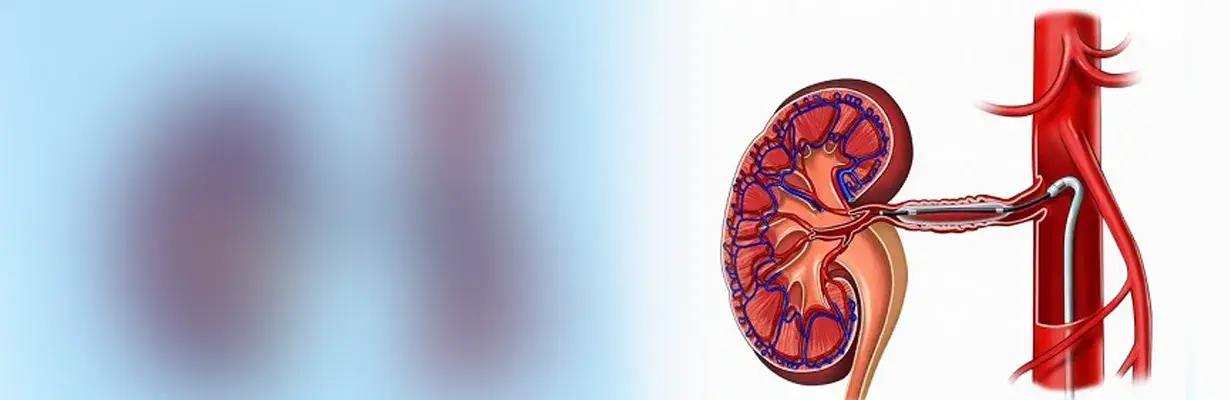
Renal angioplasty is a minimally invasive procedure used to treat narrowing or blockage of the arteries supplying blood to the kidneys, a condition known as renal artery stenosis. When the kidney arteries become narrowed, blood flow to the kidneys decreases, which can lead to uncontrolled high blood pressure, worsening kidney function, fluid retention, or recurrent episodes of heart failure and breathlessness. Early diagnosis and treatment are important to protect both kidney function and overall cardiovascular health.
Read More
Advanced Echocardiogram (TTE & TEE)
Treatment

Advanced Echocardiogram (TTE & TEE)

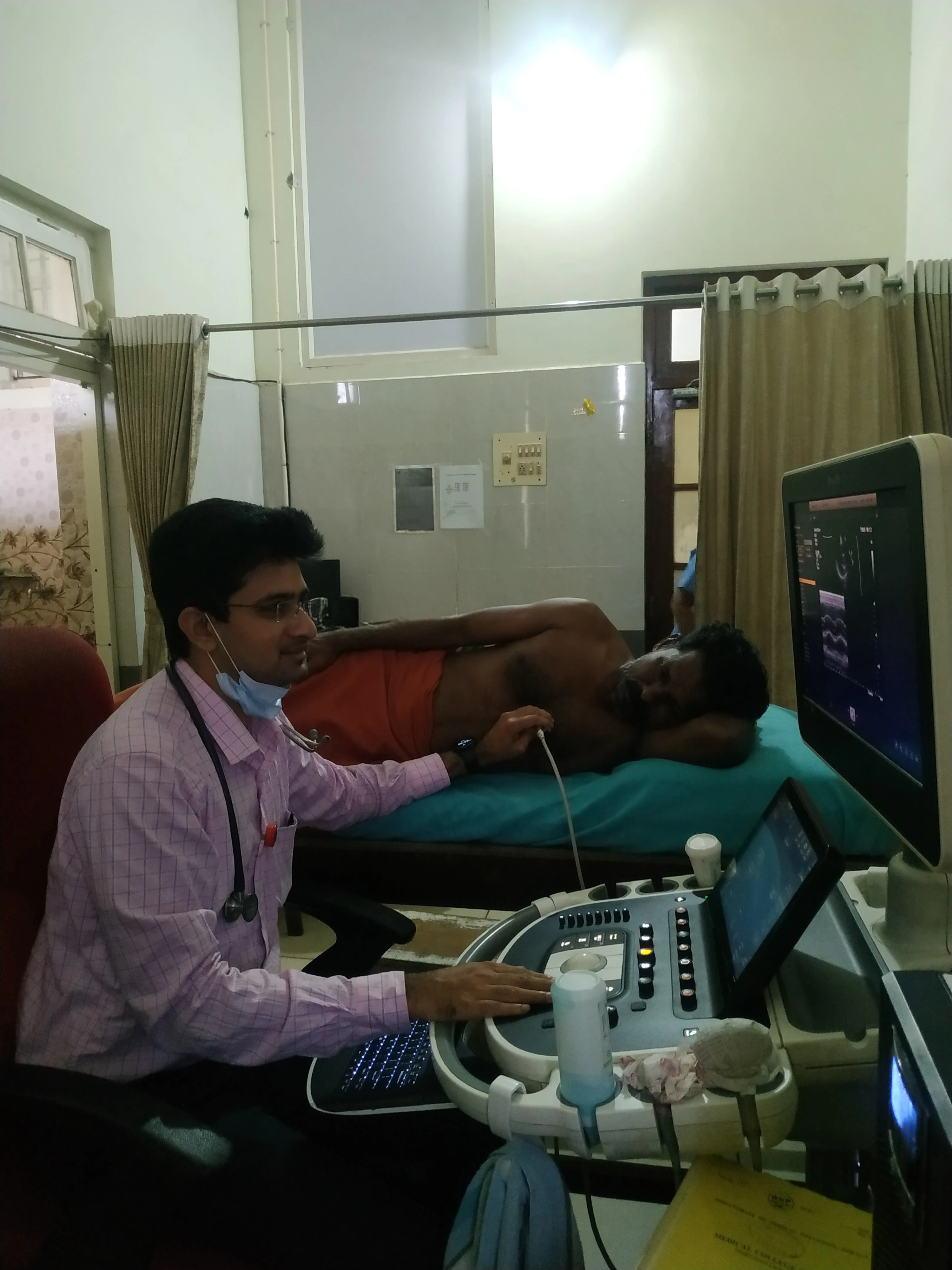
Advanced echocardiography refers to specialized heart ultrasound techniques that provide more detailed and accurate evaluation of heart structure and function. While routine echocardiography gives important information about heart pumping function, valves, and blood flow, advanced echocardiographic techniques help detect subtle abnormalities, guide complex treatments, and improve diagnosis in challenging cardiac conditions. These tests are safe, non-invasive or minimally invasive, and use ultrasound waves without radiation exposure.
Read More
Holter Monitoring
Treatment

Holter Monitoring

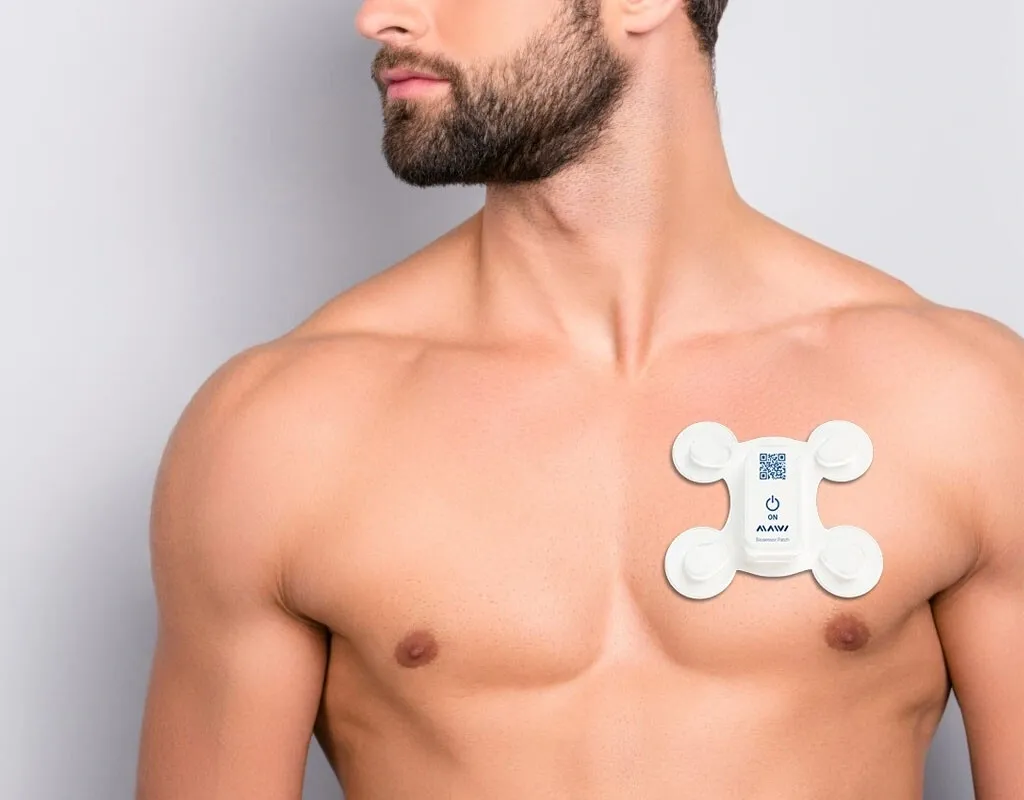
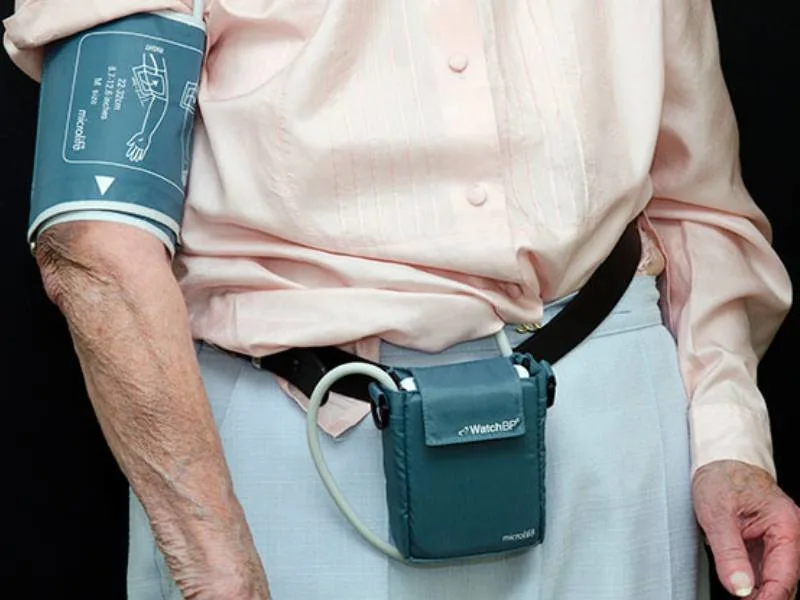
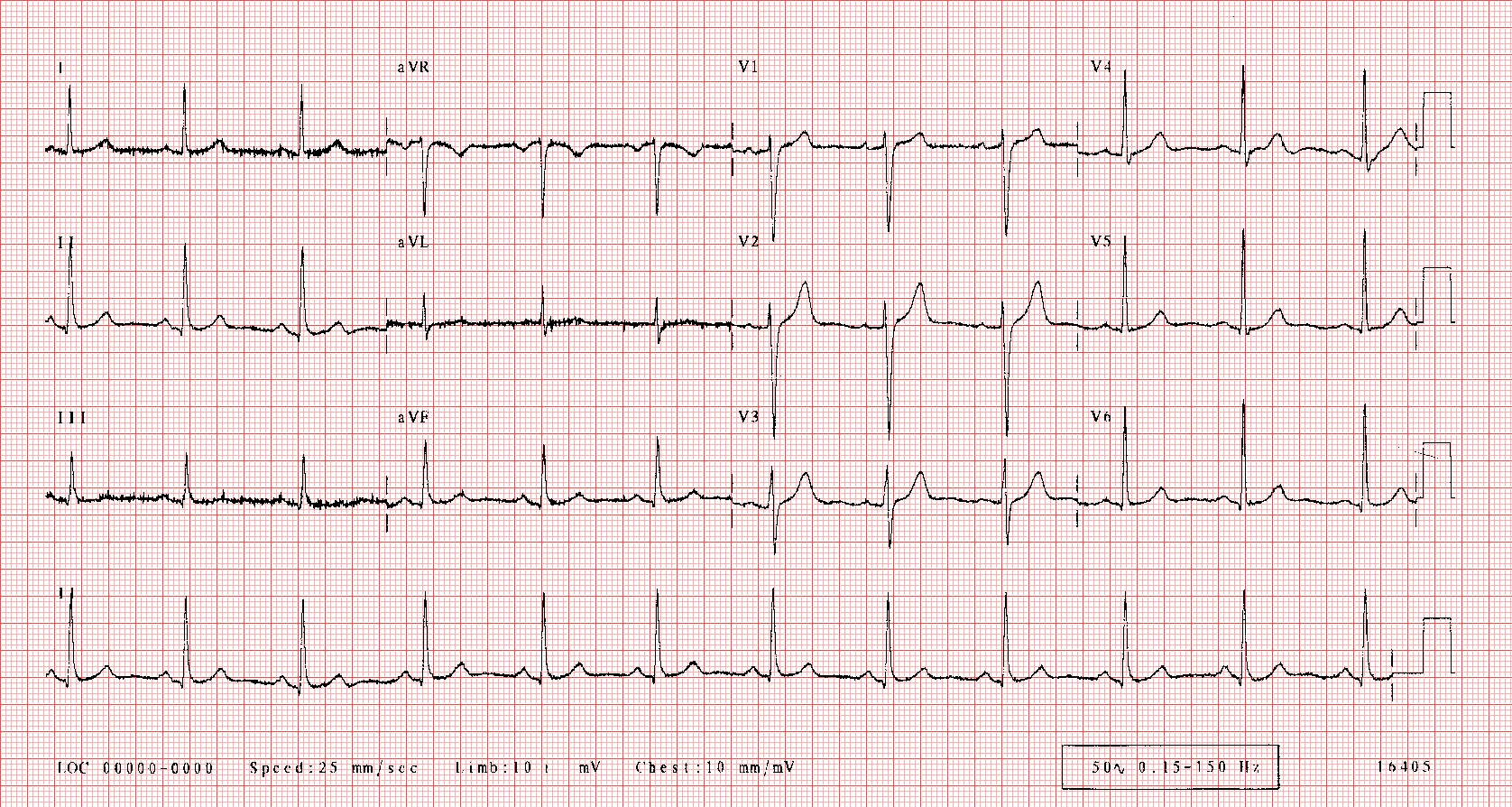
Holter monitoring is a continuous heart rhythm recording test used to evaluate abnormal heartbeats and detect rhythm disturbances that may not appear during a routine ECG. Since many heart rhythm problems occur intermittently, a standard ECG taken for a few seconds may sometimes appear normal even when symptoms are present. Holter monitoring allows continuous recording of the heart’s electrical activity over an extended period, usually 24 to 48 hours or longer, while the patient performs normal daily activities.
Read More