






Advanced heart failure is a serious condition in which the heart becomes too weak to pump blood effectively to meet the body’s needs. This commonly develops after severe or untreated heart attacks causing weakening of the heart muscle (LV dysfunction), long-standing coronary artery disease, cardiomyopathy, valve disease, uncontrolled hypertension, or severe rhythm disorders. As heart function worsens, patients may develop severe breathlessness, swelling of the legs or abdomen, fatigue, difficulty lying flat, repeated hospital admissions, and inability to perform routine daily activities.
Cardiogenic shock is one of the most critical complications of severe heart failure or major heart attack. In this condition, the heart suddenly fails to pump enough blood to maintain circulation to vital organs such as the brain, kidneys, and liver. Patients may present with very low blood pressure, severe breathlessness, cold extremities, confusion, reduced urine output, or altered consciousness. Cardiogenic shock is a life-threatening emergency that requires immediate intensive cardiac care.
Patients with advanced heart failure and cardiogenic shock usually require admission to a coronary care unit (CCU) or intensive care unit (ICU) for continuous monitoring and advanced treatment. Management focuses on stabilizing blood pressure, improving heart pumping function, restoring oxygen delivery, and preventing damage to vital organs. Treatment often includes oxygen therapy, non-invasive or ventilator support, intravenous diuretics to remove excess fluid, medications to strengthen heart contractions (inotropes), and medicines to support blood pressure and circulation.
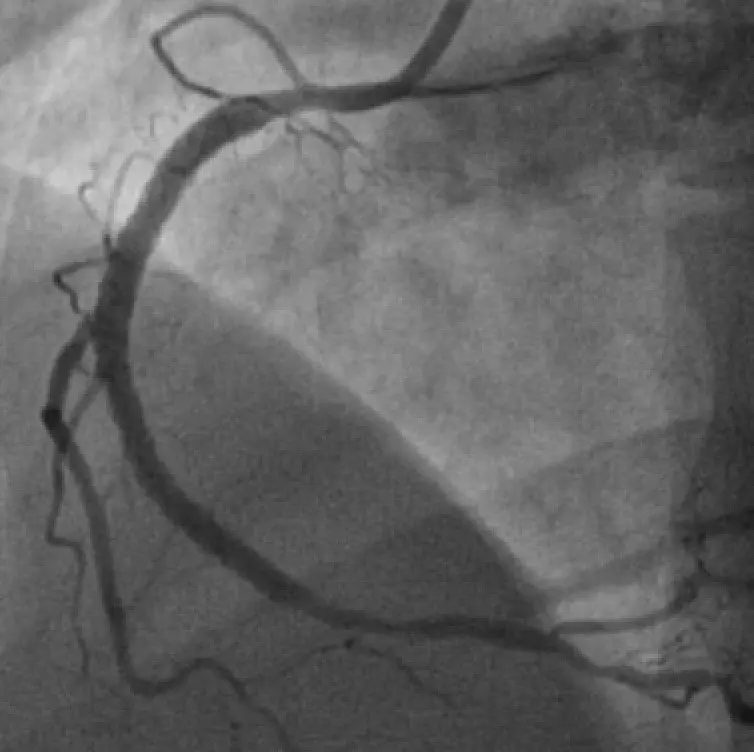
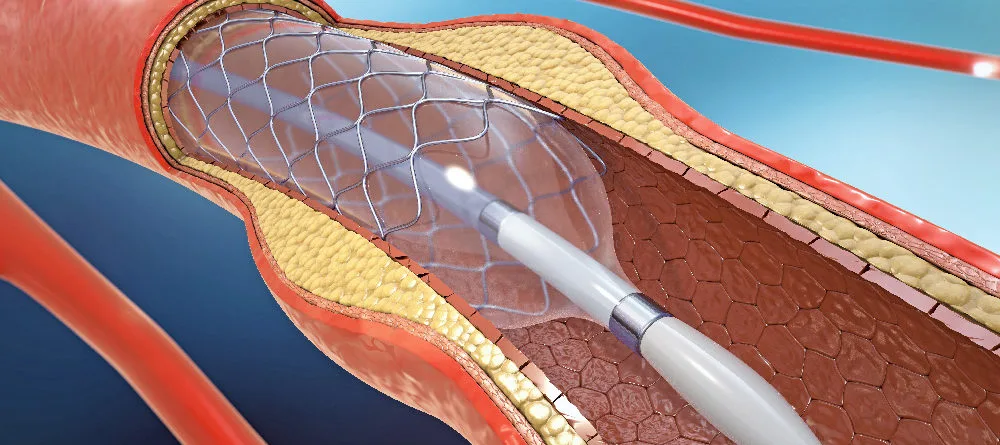
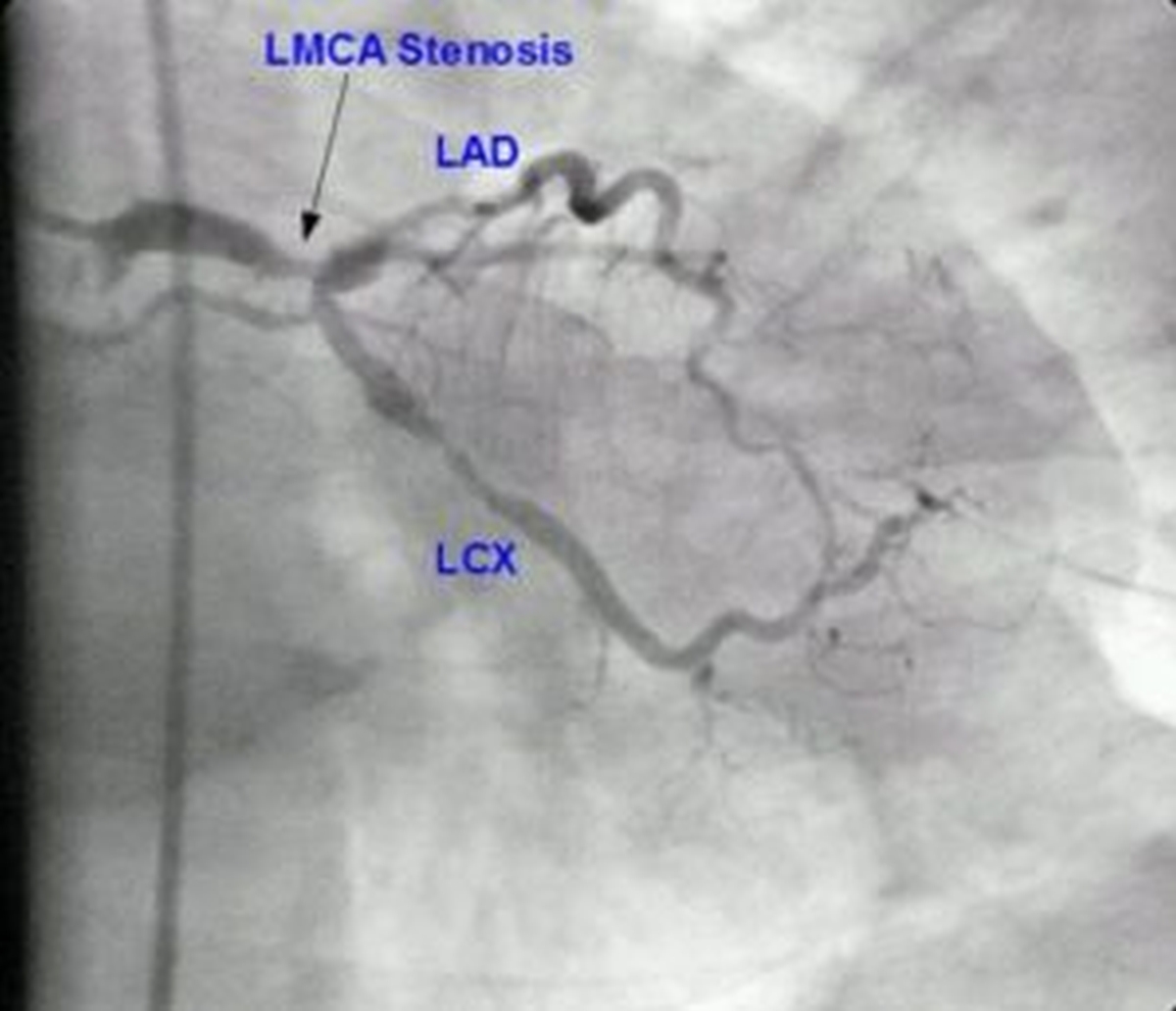
In patients where reduced blood supply due to blocked coronary arteries is the cause, emergency coronary angiography and angioplasty (PTCA) may be required to restore blood flow to the heart muscle. Early revascularization can significantly improve survival in patients with heart attack-related cardiogenic shock. Some patients may also require temporary pacemaker support or treatment for dangerous heart rhythm abnormalities.
Advanced device-based therapies also play an important role in heart failure management. ICD (Implantable Cardioverter Defibrillator) implantation may be recommended in patients with severe heart muscle weakness to prevent sudden cardiac death due to dangerous arrhythmias. CRT (Cardiac Resynchronization Therapy) devices help synchronize heart contractions in selected patients with electrical conduction abnormalities, improving heart pumping efficiency and reducing heart failure symptoms.
In critically ill patients with severe cardiogenic shock, temporary mechanical circulatory support devices may sometimes be needed to support the failing heart while recovery or further treatment is planned. Continuous monitoring, multidisciplinary cardiac care, and timely intervention are extremely important in improving outcomes in these high-risk patients.
Long-term management after stabilization includes optimization of heart failure medications, salt and fluid restriction, lifestyle modification, supervised rehabilitation, diabetes and blood pressure control, smoking cessation, and regular follow-up. Modern advances in intensive cardiac care, heart failure therapies, angioplasty techniques, and cardiac devices have significantly improved survival and quality of life in many patients with advanced heart failure and cardiogenic shock.



 ESC
ESC

