







Peripheral angiography is a specialized imaging procedure used to evaluate blood flow in the arteries outside the heart, especially in the legs, arms, kidneys, neck, or other parts of the body. It helps identify narrowing or blockage in these blood vessels, a condition commonly known as Peripheral Arterial Disease (PAD). Reduced blood flow through these arteries can lead to pain, poor circulation, delayed wound healing, or damage to organs and tissues if left untreated.
Patients with peripheral artery disease may experience leg pain while walking (claudication), numbness, coldness of the limbs, non-healing foot ulcers, discoloration of the skin, reduced walking capacity, or severe pain in the legs even at rest. Peripheral angiography may also be advised in patients with kidney artery narrowing causing uncontrolled high blood pressure, or in patients with suspected blockage of neck or arm arteries.
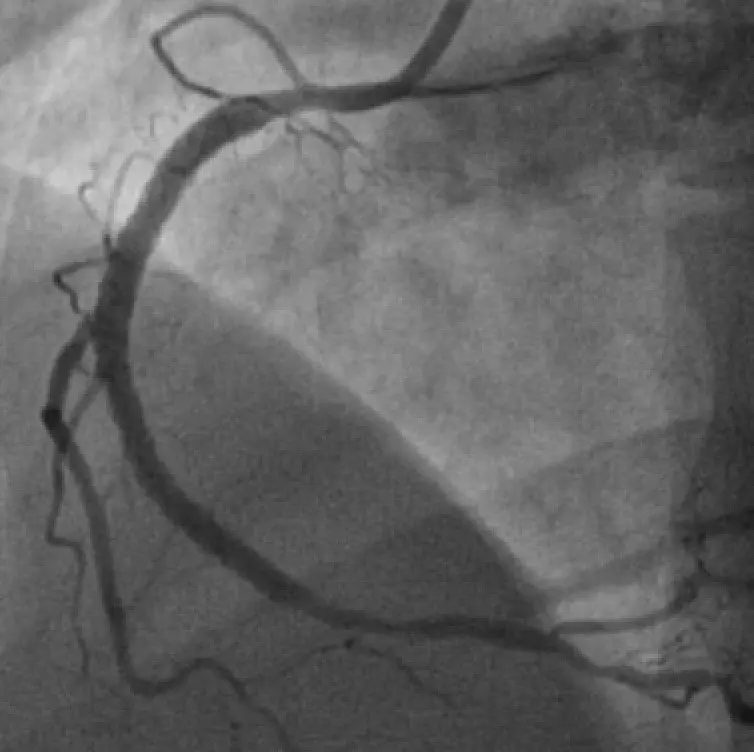
The procedure is performed in a specialized cardiac catheterization laboratory under local anesthesia. A thin catheter is inserted through a blood vessel, usually from the groin or wrist, and guided carefully into the arteries being examined. A special contrast dye is then injected while X-ray images are taken to visualize blood flow and detect areas of narrowing or blockage.
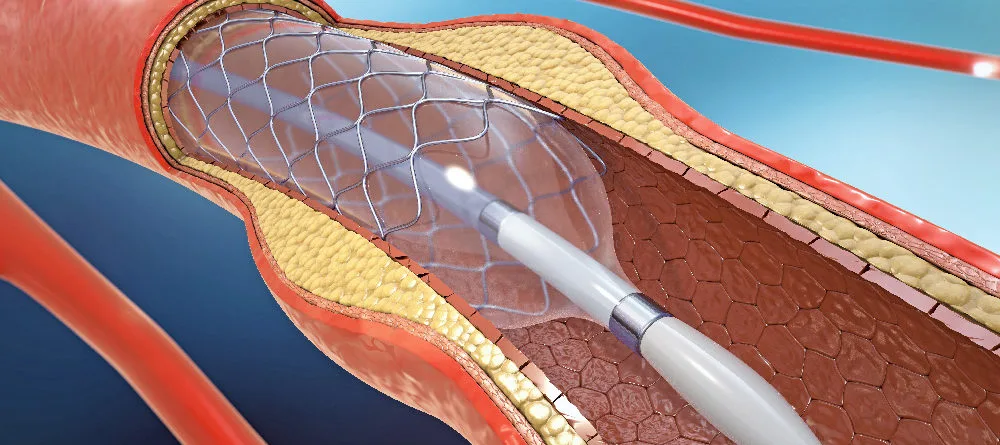
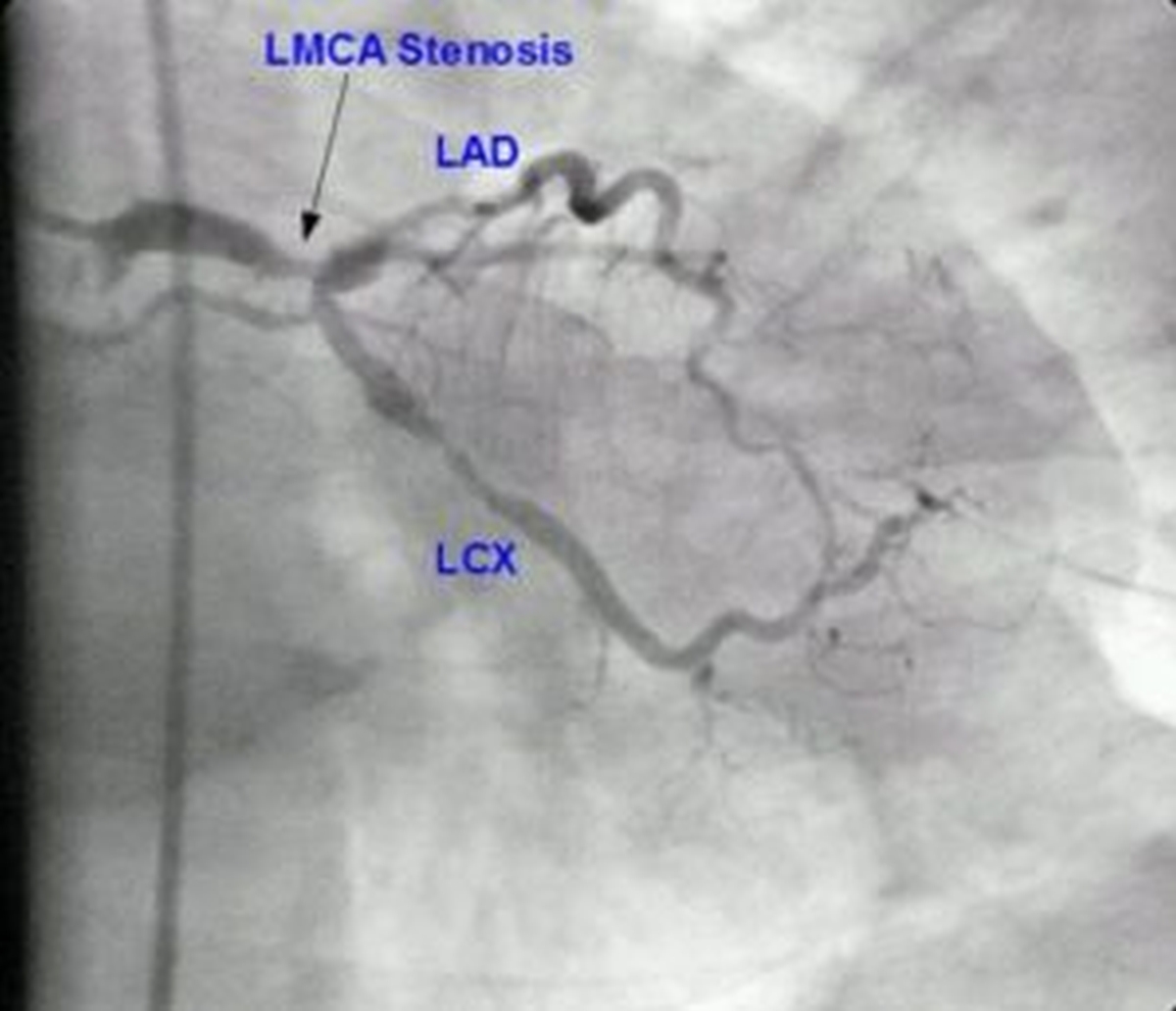
Peripheral angiography provides detailed information about the location, severity, and extent of arterial disease. This helps the doctor decide whether treatment with medications, lifestyle changes, angioplasty, stenting, or surgery may be necessary. In many cases, diagnosis and treatment planning can be done during the same procedure session.
The procedure is generally safe and minimally invasive. Most patients remain awake and comfortable throughout the procedure. Depending on the patient’s condition and the complexity of the evaluation, patients are usually observed for a short period after the procedure before discharge.
Early diagnosis of peripheral artery disease is important because untreated blockages can gradually worsen and increase the risk of severe circulation problems, tissue damage, stroke, kidney dysfunction, or limb-threatening complications. Peripheral angiography plays an important role in timely diagnosis and planning effective treatment to improve blood flow, relieve symptoms, and protect long-term vascular health.



 ESC
ESC

