







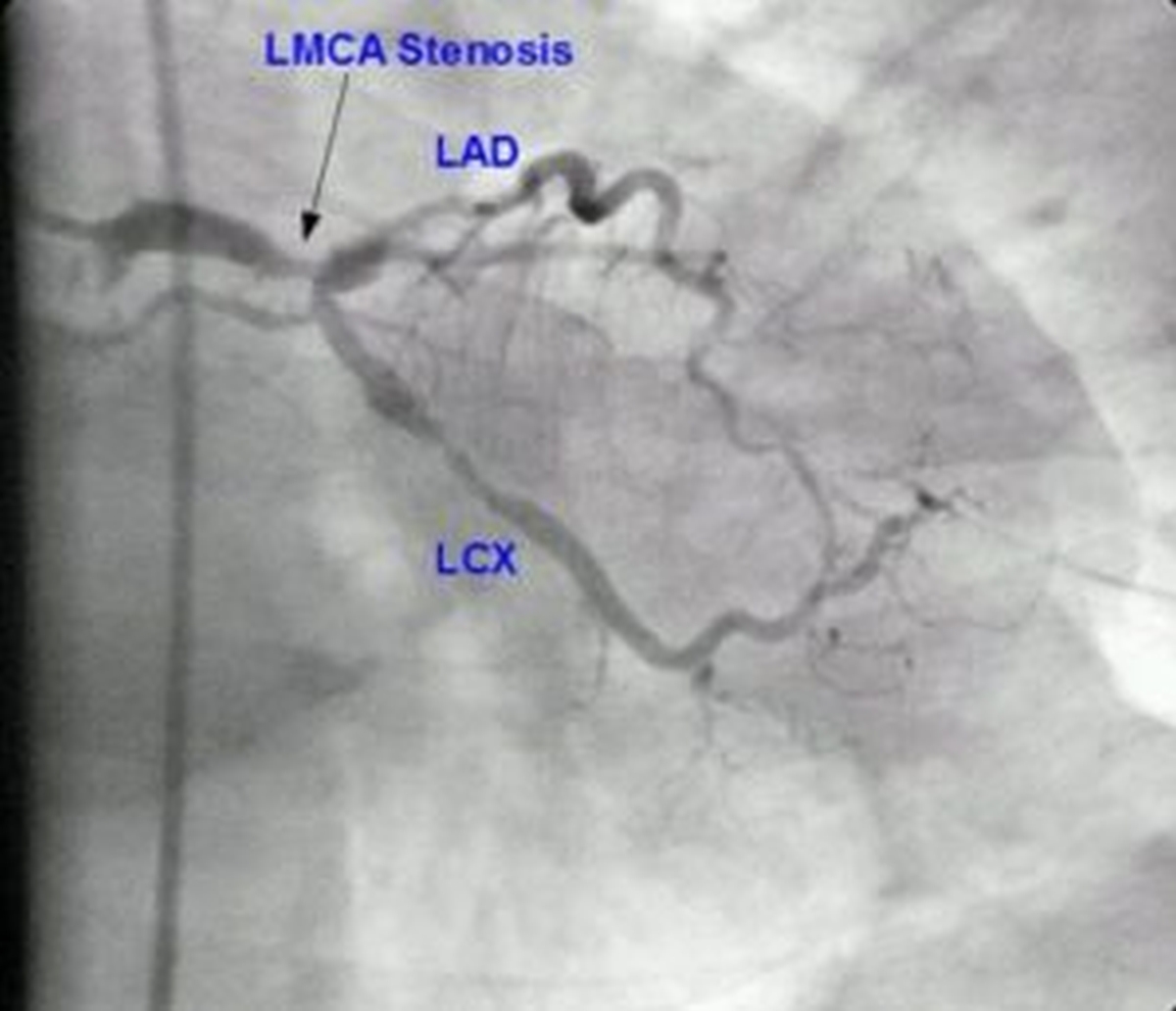
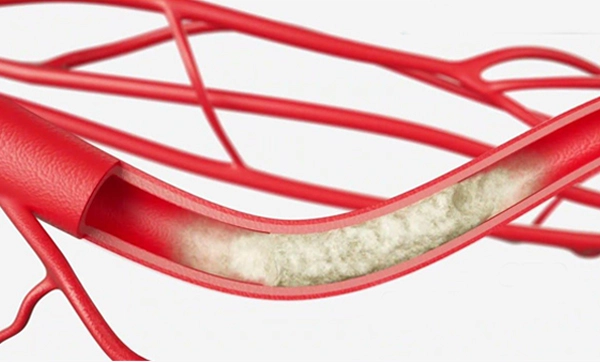
Coronary angiography is a specialized heart test used to detect blockages or narrowing in the blood vessels supplying blood to the heart muscle, called coronary arteries. These blockages can reduce blood flow and may cause chest pain (angina), breathlessness, tiredness during exertion, or even a heart attack. The test helps the cardiologist understand the exact location and severity of the blockage and decide the most suitable treatment.
The procedure is usually advised for patients who have chest pain, abnormal treadmill test or stress test results, heart attack symptoms, reduced heart pumping function, or high-risk heart disease. It may also be recommended in diabetic patients or individuals with multiple risk factors such as high blood pressure, smoking, obesity, or high cholesterol.
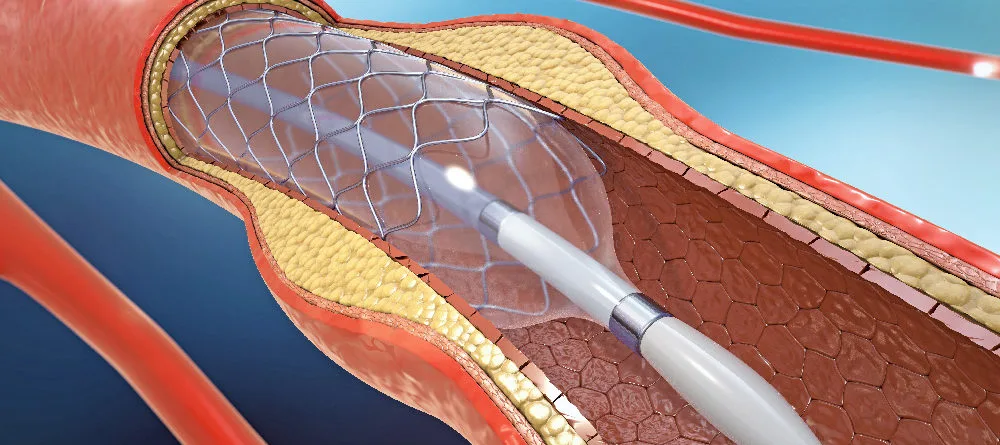
Coronary angiography is performed in a cardiac catheterization laboratory (Cath Lab) under local anesthesia. A thin tube called a catheter is inserted through a blood vessel in the wrist or groin and carefully guided to the heart arteries. A special contrast dye is then injected, and real-time X-ray images are taken to study the blood flow inside the arteries. The procedure is usually painless, though patients may feel a brief warm sensation when the dye is injected. The test generally takes about 15 to 30 minutes. Most patients remain awake and can communicate normally during the procedure. After completion, the catheter is removed, and patients are observed for a few hours before discharge. Many patients can go home the same day, especially when the procedure is done through the wrist (Radial) artery. Coronary angiography is considered a safe and commonly performed procedure. Like any medical procedure, there are small risks such as bleeding, allergy to contrast dye, irregular heartbeat, or kidney-related complications, but serious complications are uncommon when performed by experienced specialists. The results of the angiography help determine the next step in treatment. Some patients may only need medications and lifestyle modification, while others may require angioplasty with stenting or bypass surgery depending on the severity and location of the blockage. Early diagnosis and timely treatment can help prevent heart attacks and improve long-term heart health.



 ESC
ESC

