






Acute Coronary Syndrome (ACS), commonly known as a heart attack, is a medical emergency caused by sudden reduction or complete blockage of blood flow to the heart muscle. This usually happens when a cholesterol plaque inside a heart artery ruptures and forms a blood clot. As the blood supply decreases, the heart muscle begins to get damaged. Every minute is extremely important because delayed treatment can lead to permanent heart muscle loss, heart failure, dangerous rhythm disturbances, or even sudden cardiac death.
Patients with ACS may experience severe chest pain or heaviness, sweating, breathlessness, nausea, dizziness, unusual fatigue, or pain radiating to the arm, neck, jaw, shoulder, or back. Some patients, especially diabetics and elderly individuals, may have only mild symptoms or breathlessness without typical chest pain. Immediate medical attention is very important because early treatment can save heart muscle and improve survival.
Heart attacks are broadly classified into STEMI (ST-Elevation Myocardial Infarction), NSTEMI (Non-ST Elevation Myocardial Infarction), and Unstable Angina. STEMI is the most severe type and occurs when a heart artery becomes completely blocked, requiring urgent restoration of blood flow. NSTEMI and unstable angina are usually caused by partial blockage or reduced blood supply to the heart and also require urgent evaluation and treatment to prevent progression and complications.
The first one hour after the onset of heart attack symptoms is called the “Golden Hour.” Treatment during this period offers the maximum chance of saving heart muscle and preventing serious complications. The earlier the blocked artery is opened, the better the chances of recovery and survival. This is why patients with chest pain should never delay medical attention or wait at home hoping symptoms will settle on their own.
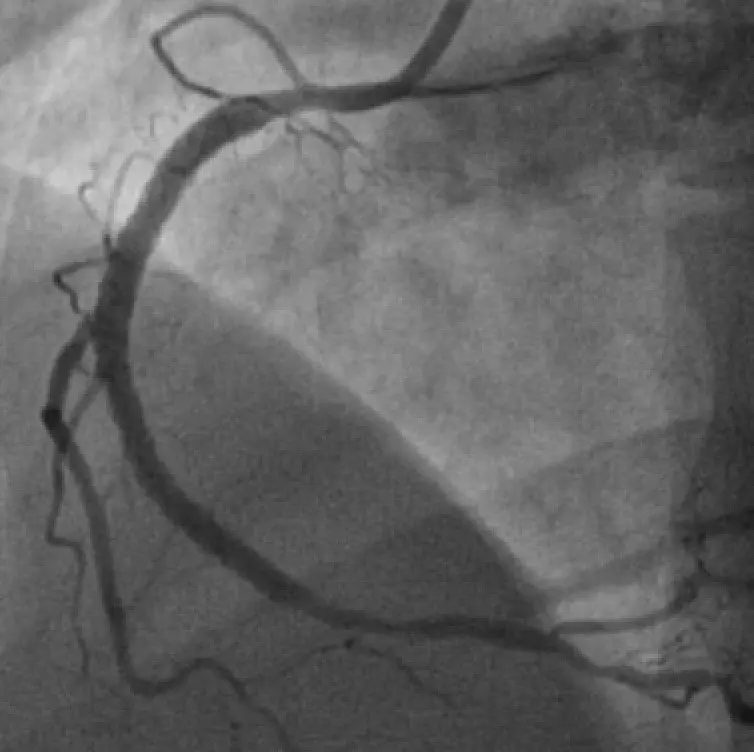
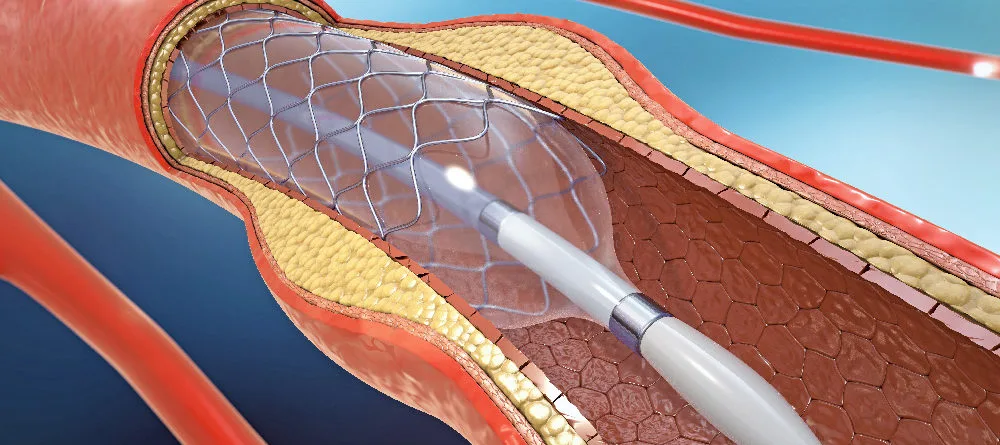
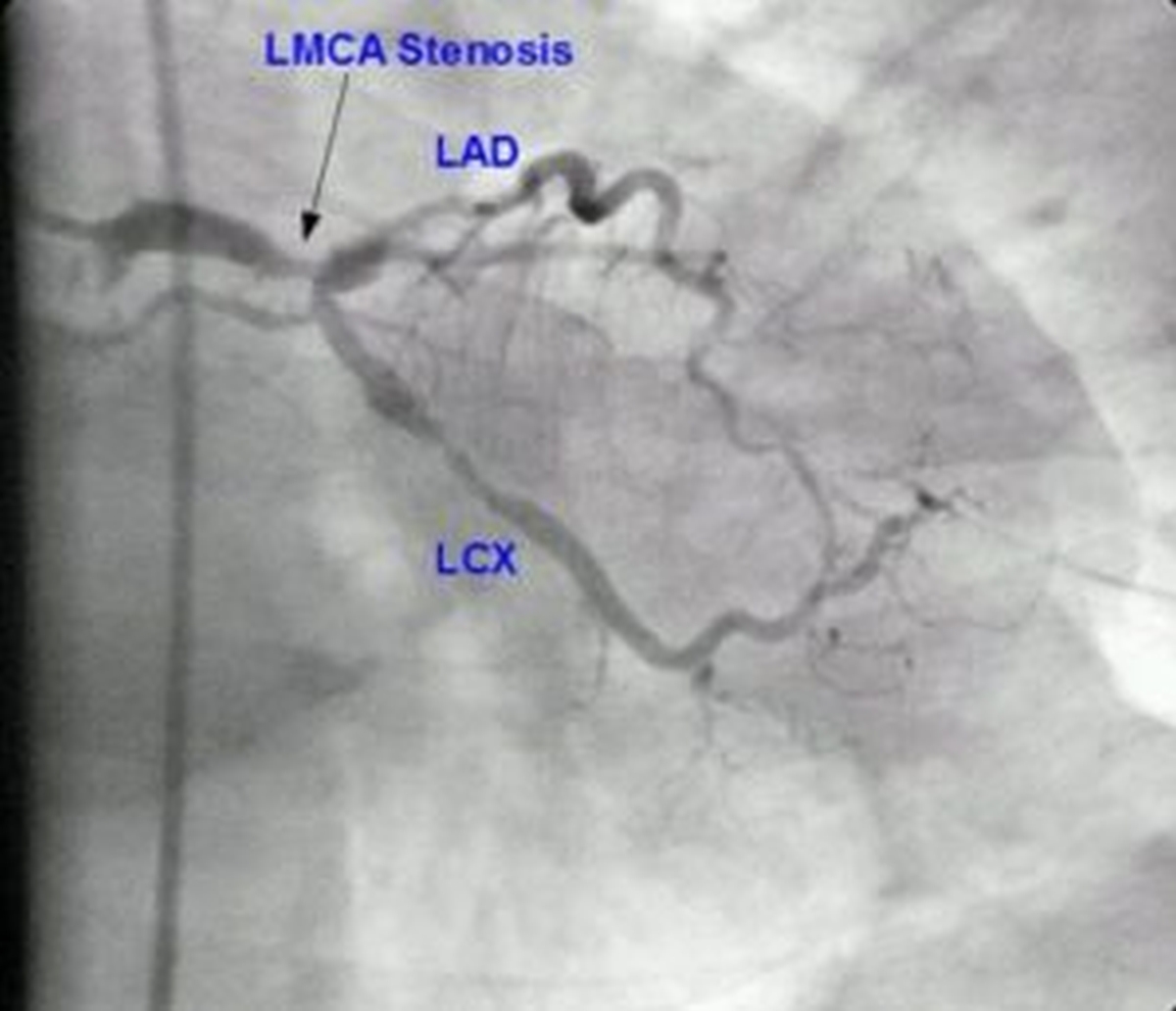
The best treatment for many heart attack patients, especially STEMI, is Primary Angioplasty (Primary PTCA or Primary PCI). In this procedure, emergency coronary angiography is performed and the blocked artery is immediately opened using balloons and stents to restore blood flow to the heart muscle. Primary angioplasty is considered the most effective treatment because it rapidly restores circulation, limits heart muscle damage, reduces complications, and improves long-term outcomes.
An important concept in emergency heart attack care is “Door-to-Balloon Time,” which refers to the time taken from arrival at the hospital to opening the blocked artery with angioplasty. International recommendations aim for a door-to-balloon time of less than 90 minutes whenever possible. Faster treatment means more heart muscle can be saved.
In situations where immediate angioplasty is not available, clot-dissolving medicines called thrombolytics may be given to break the blood clot and restore blood flow. This treatment is most effective when administered early after symptom onset. “Door-to-Needle Time” refers to the time between hospital arrival and administration of thrombolytic therapy. Ideally, thrombolytic treatment should be started within 30 minutes of reaching the hospital to achieve the best results.
Along with angioplasty or thrombolysis, patients receive medications such as blood thinners, antiplatelet drugs, cholesterol-lowering medicines, oxygen support when needed, pain relief medications, and intensive cardiac monitoring. After stabilization, long-term treatment focuses on preventing future heart attacks through medications, smoking cessation, diabetes and blood pressure control, healthy diet, exercise, and cardiac rehabilitation.
Modern heart attack management has greatly improved survival when treatment is given early and appropriately. Recognizing symptoms quickly and reaching the hospital without delay can save both heart muscle and life. Early diagnosis, rapid intervention, and expert cardiac care are the keys to better recovery and long-term heart health.



 ESC
ESC

