






Valvular heart disease occurs when one or more heart valves become narrowed, leaky, or damaged. This affects normal blood flow through the heart and may increase the workload on the heart muscle.
Valvular heart disease occurs when one or more heart valves become narrowed, leaky, or damaged. This affects normal blood flow through the heart and may increase the workload on the heart muscle.
Patients may experience breathlessness, fatigue, swelling, chest discomfort, dizziness, or palpitations. Some patients may remain symptom-free for years.
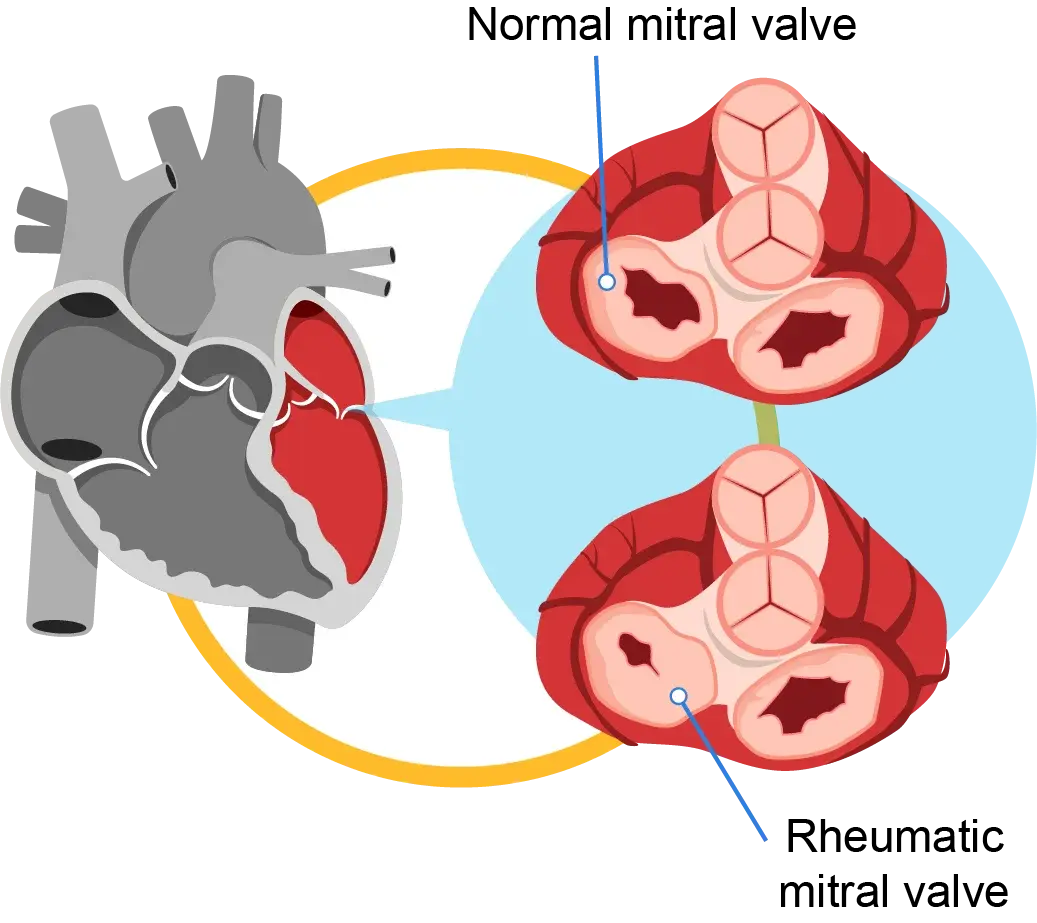
Common causes include rheumatic fever, aging-related degeneration, congenital valve abnormalities, infections, or calcium buildup. Echocardiography is the most important investigation used to evaluate valve function.
Treatment may include medications, balloon valvotomy, transcatheter valve procedures, valve repair, or valve replacement surgery depending on severity.



 ESC
ESC

