







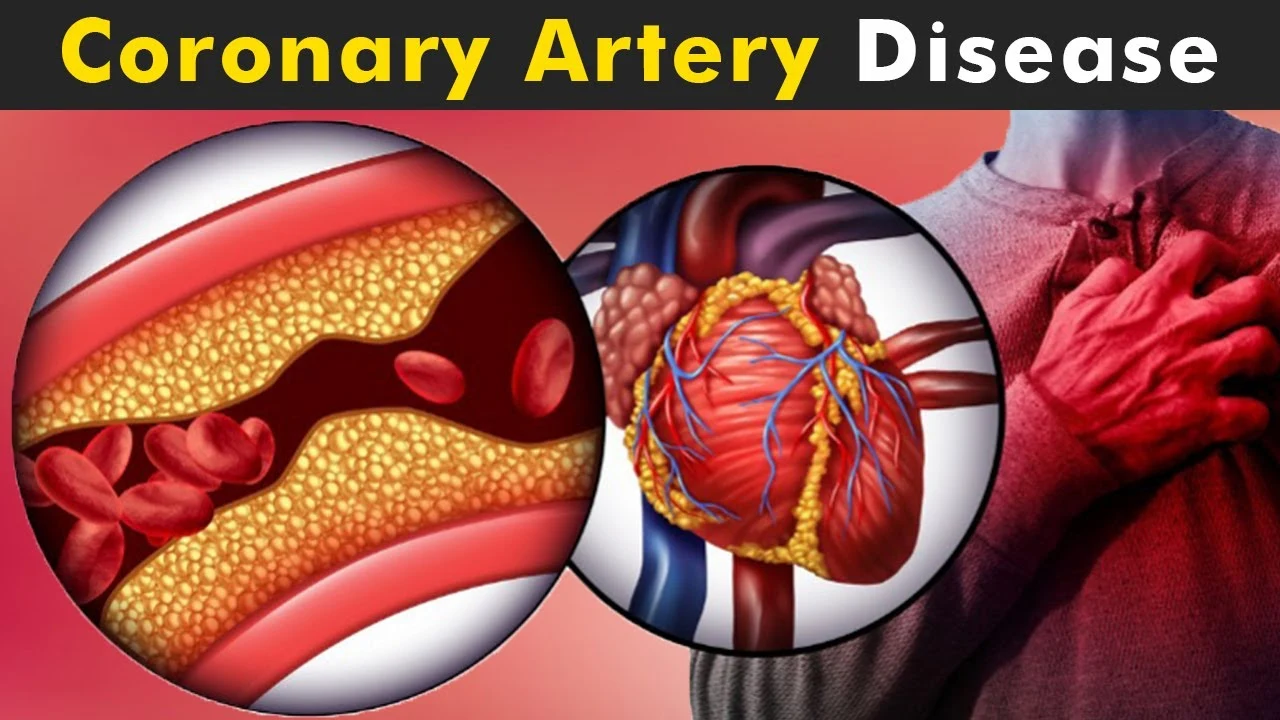
Diabetic heart disease refers to heart and blood vessel complications that develop due to long-standing diabetes. High blood sugar can gradually damage blood vessels, nerves, and the heart muscle, significantly increasing the risk of heart attack, heart failure, and coronary artery disease.
Diabetic heart disease refers to heart and blood vessel complications that develop due to long-standing diabetes. High blood sugar can gradually damage blood vessels, nerves, and the heart muscle, significantly increasing the risk of heart attack, heart failure, and coronary artery disease.
Patients with diabetes may develop chest pain, breathlessness, fatigue, reduced exercise tolerance, or silent heart attacks without typical symptoms. Diabetes also increases the risk of hypertension, kidney disease, obesity, and stroke.
Evaluation may include ECG, echocardiography, stress testing, CT coronary angiography, cholesterol assessment, and blood sugar monitoring.
Management focuses on blood sugar control, cholesterol reduction, weight management, blood pressure control, smoking cessation, exercise, healthy diet, and cardiovascular protection through medications and lifestyle modification.




 ESC
ESC

